
Executive Summary:
Jharkhand’s 2026–27 Budget, presented under the “Abua Dishom” framework, proposes a total expenditure of ₹ 1.58 lakh crore. The state projects GSDP growth of 9.84%, rising to ₹ 6.24 lakh crore in 2026–27 BE, reflecting continued economic expansion.
Revenue surplus is estimated at 2.46% of GSDP, up from 1.66% in 2025–26 RE, while fiscal deficit is projected to decline from 2.86% to 2.18% of GSDP. Primary deficit is also expected to moderate to 1.13% of GSDP.
Capital outlay for 2026–27 marks an increase of 11.23% over 2025–26 RE. Additionally, it accounts for 18.95% of net expenditure and around 4.56% of GSDP, indicating sustained focus on asset creation.
Revenue receipts for 2026–27 are estimated at ₹ 1.36 lakh crore, with nearly 51% expected from central taxes and grants. Mining continues to be a major revenue source, with estimated receipts of ₹ 16,000 crore, contributing around 11.75% of the state’s total revenue receipts.
Persistent underutilisation of funds by local bodies and weak discom performance remain key concerns. Panchayati Raj Institutions and Urban Local Bodies continued to maintain high unspent balances, while Jharkhand’s AT&C losses at 28.19% in 2024–25 remained significantly above the national average of 15.04%.
The Finance Minister, Shri Radha Krishna Kishore, presented the Jharkhand Budget 2026–27 before the State Legislature on 24th February 2026.
The Budget, presented under the “Abua Dishom” framework, focuses on infrastructure creation, welfare expansion, fiscal stability, and long-term economic development across key sectors of the state economy.
I. Financial Highlights
Gross State Domestic Product (GSDP): Jharkhand’s GSDP for 2026–27 (at current prices) is projected to be ₹ 6.24 lakh crore, amounting to a growth of about 9.84% over the revised estimates for 2025–26 (₹ 5.68 lakh crore).
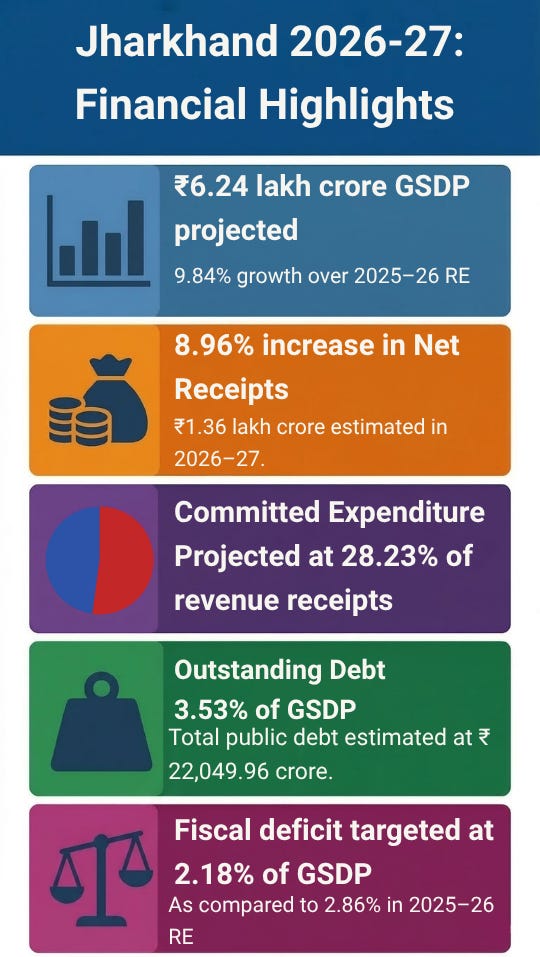
Image 1: Key Financial Highlights NSDP Per Capita: In 2024–25, Jharkhand’s per capita NSDP (at current prices) is estimated to be ₹ 1.17 lakh, an increase of 9.51% over 2023–24 (₹ 1.07 lakh). In 2023–24, per capita NSDP had grown by 11.15% over 2022–23 (₹ 95,839).
Revenue Surplus: Revenue Surplus (RS) in 2026–27 is estimated at ₹ 15,358.14 crore, 2.46% of GSDP, as compared to an RS of ₹ 9,400.58 crore, 1.66% of GSDP in 2025–26 RE.
Fiscal Deficit (FD): FD for 2026–27 is targeted at ₹ 13,595.79 crore, 2.18% of GSDP as compared to an FD of ₹ 16,238.87 crore, 2.86% of GSDP in 2025–26 RE.
Net Expenditure: Net Expenditure for Jharkhand in 2026–27 is estimated to be ₹ 1.50 lakh crore, an increase of 6.06% over the revised estimates of 2025–26 (₹ 1.42 lakh crore). In addition, debt repayment of ₹ 9,260.83 crore is estimated.
Receipts: Receipts (excluding Borrowings and Other Liabilities) for Jharkhand for 2026–27 are estimated to be ₹ 1.37 lakh crore, an increase of 8.96% as compared to the budget estimates of 2025–26 (₹ 1.25 lakh crore).
II. Policy Highlights
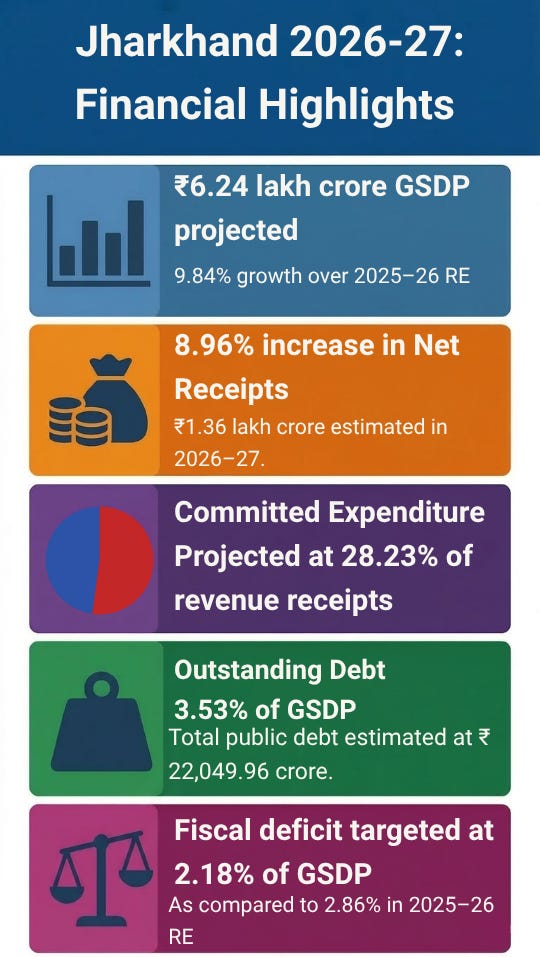
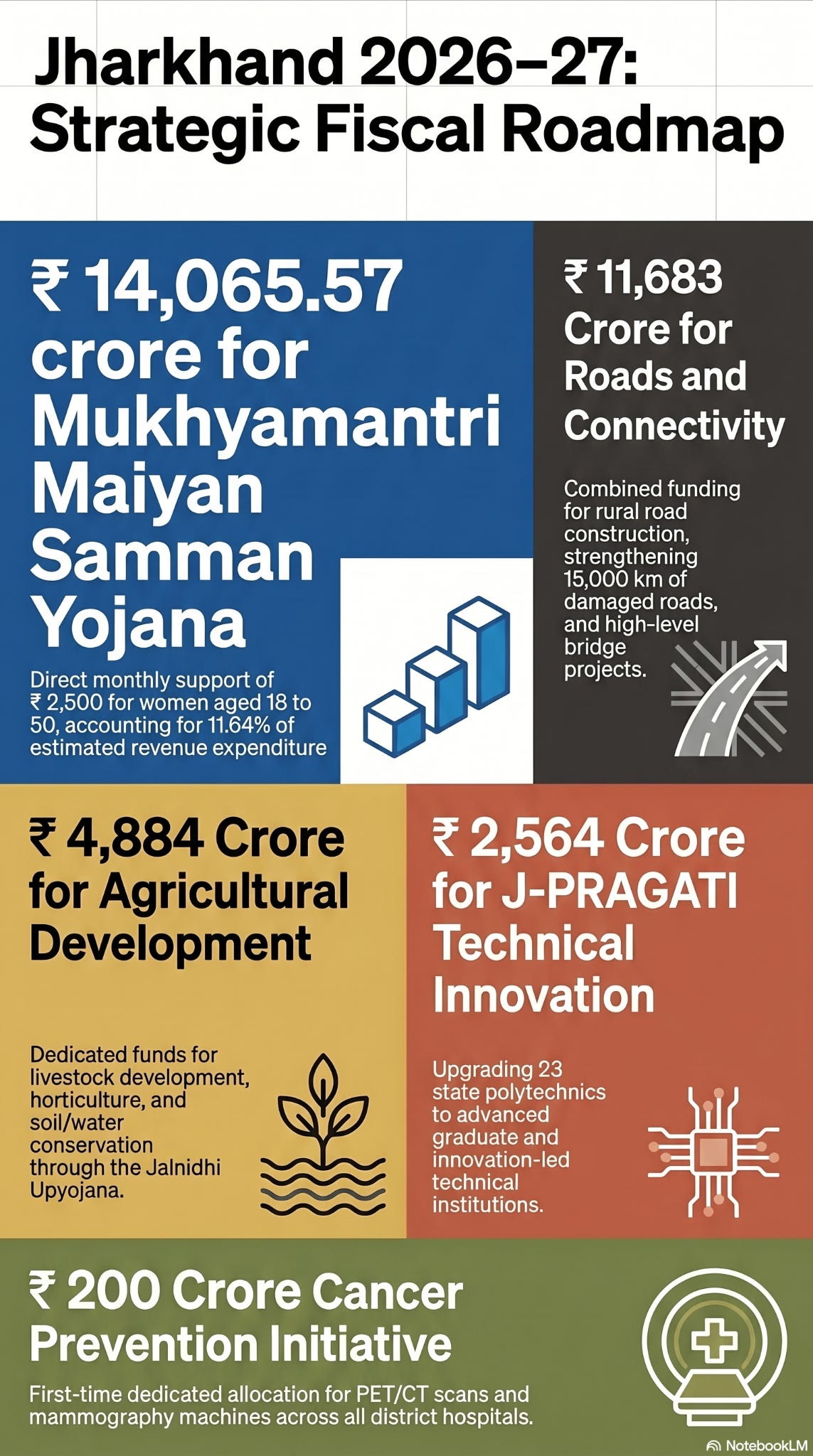
Mukhyamantri Maiyan Samman Yojana: The Mukhyamantri Maiyan Samman Yojana, which provides ₹ 2,500 per month to women between 18 and 50 years of age, has been allocated ₹ 14,065.57 crore in 2026–27 equivalent to around 11.64% of the estimated revenue expenditure for the year, while the Women, Child Development and Social Security Department has received a total allocation of ₹ 22,995.69 crore for the year.
Agriculture and Allied Department: The Agriculture and Allied sector has been allocated ₹ 4,884.20 crore in 2026–27. The Mukhyamantri Pashudhan Vikas Yojana has been allocated ₹ 481.35 crore for livestock development, while the Rajya Udyan Vikas Yojana has received ₹ 245.80 crore for horticulture development. The Banjar Bhumi Rice Fallow and Jalnidhi Upyojana has been allocated ₹ 475.50 crore for soil and water conservation.
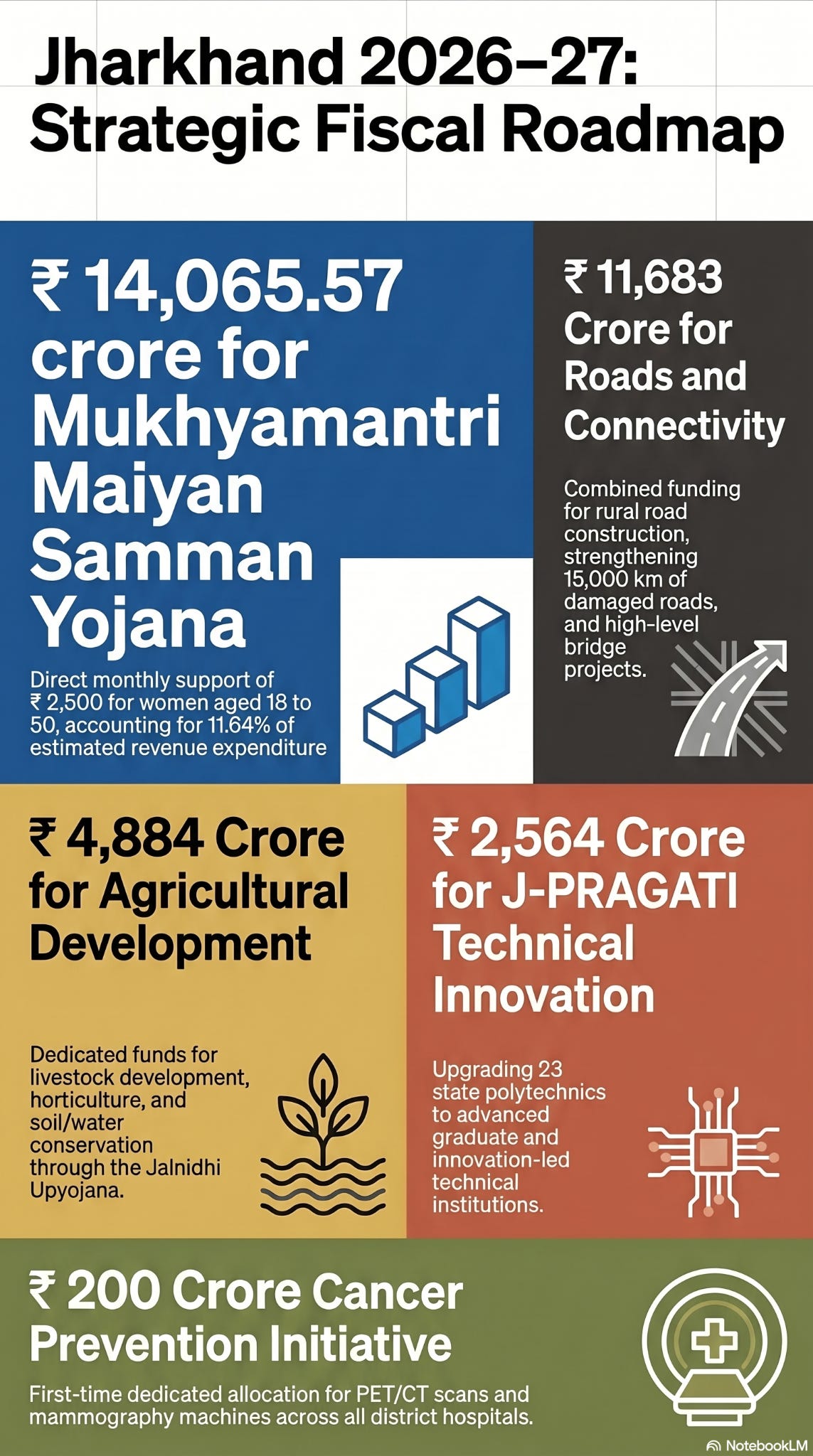
Image 2: Key Policy Highlights Cancer Prevention Initiative: A dedicated cancer prevention allocation of ₹ 200 crore has been earmarked for the first time under the health budget. Alongside the money, the government announced installation of PET and CT scan machines at all five government medical colleges, mammography machines at all 24 district sadar hospitals for early detection of breast cancer, and cath labs at every medical college and hospital.
Higher Education: The Jharkhand Polytechnic Revamping for Advanced Graduate and Innovation-Led Technical Institution (J-PRAGATI) scheme has been announced to upgrade the state’s government polytechnics, comprising 17 existing and 6 newly built polytechnics. It falls under the Higher and Technical Education department, which has a total allocation of ₹ 2,564.45 crore.
Roads and Connectivity: The Rural Works Department has been allocated ₹ 5,081.74 crore in 2026–27, ₹ 1,000 crore for the Mukhyamantri Gram Sadak Yojana for rural road construction and ₹ 1,600 crore for the Gram Sadak Sudridhikaran Yojana for strengthening around 15,000 km of damaged rural roads, while the Roads Department has been allocated ₹ 6,601.28 crore for four-laning, flyovers, high-level bridges, and road overbridges at railway level crossings.
III. Jharkhand’s Sector Wise Economy
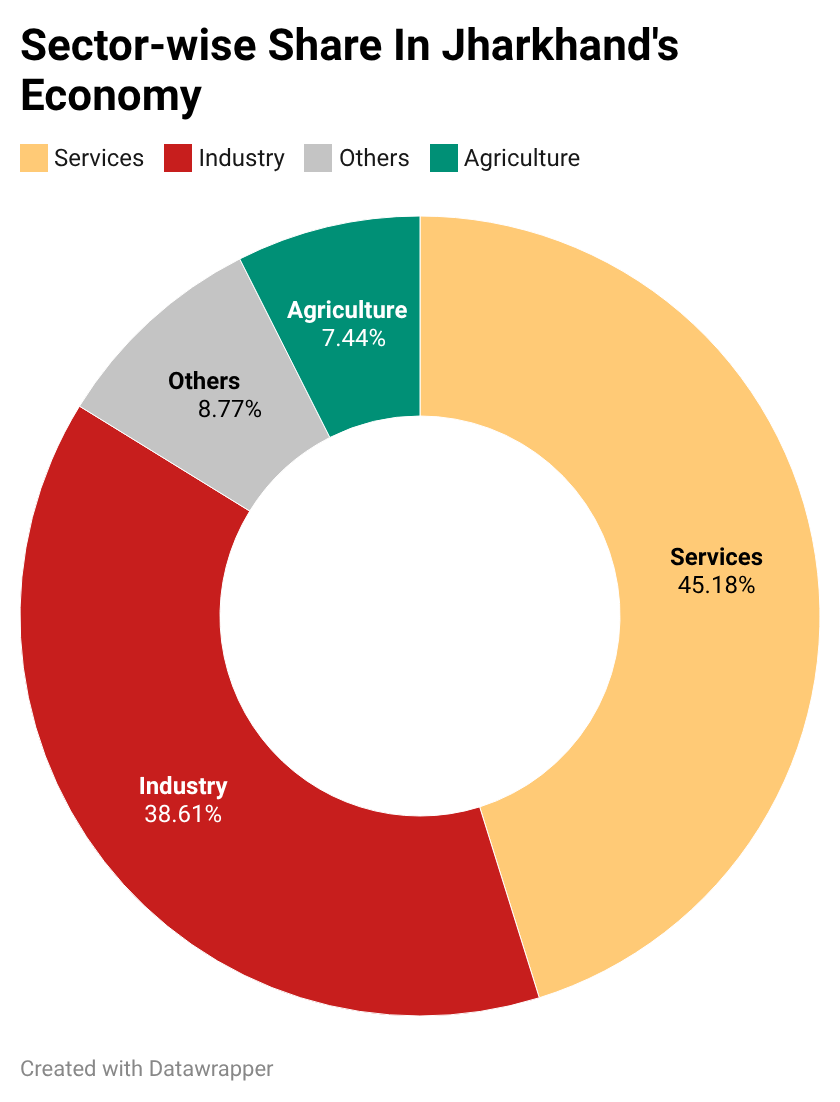
GSVA Contribution Of Sectors: In 2024–25, the agriculture, industry, and services sectors are estimated to account for approximately 7.44%, 38.61%, and 45.18% of Jharkhand’s Gross State Value Added (GSVA), respectively, at current prices.
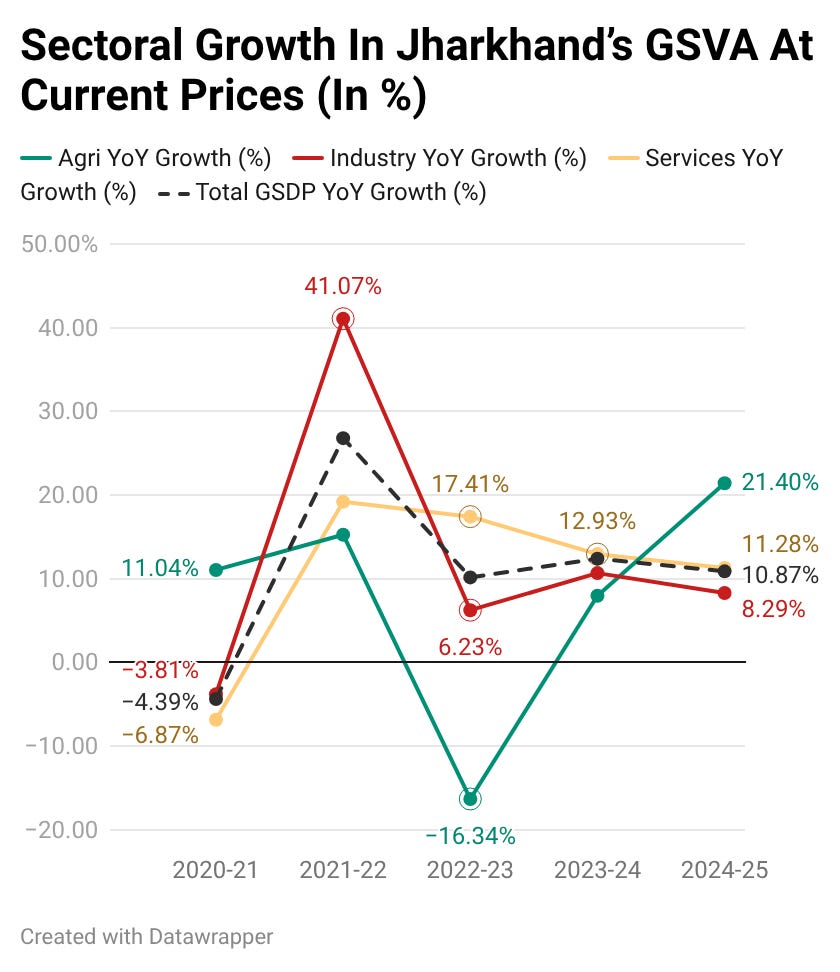
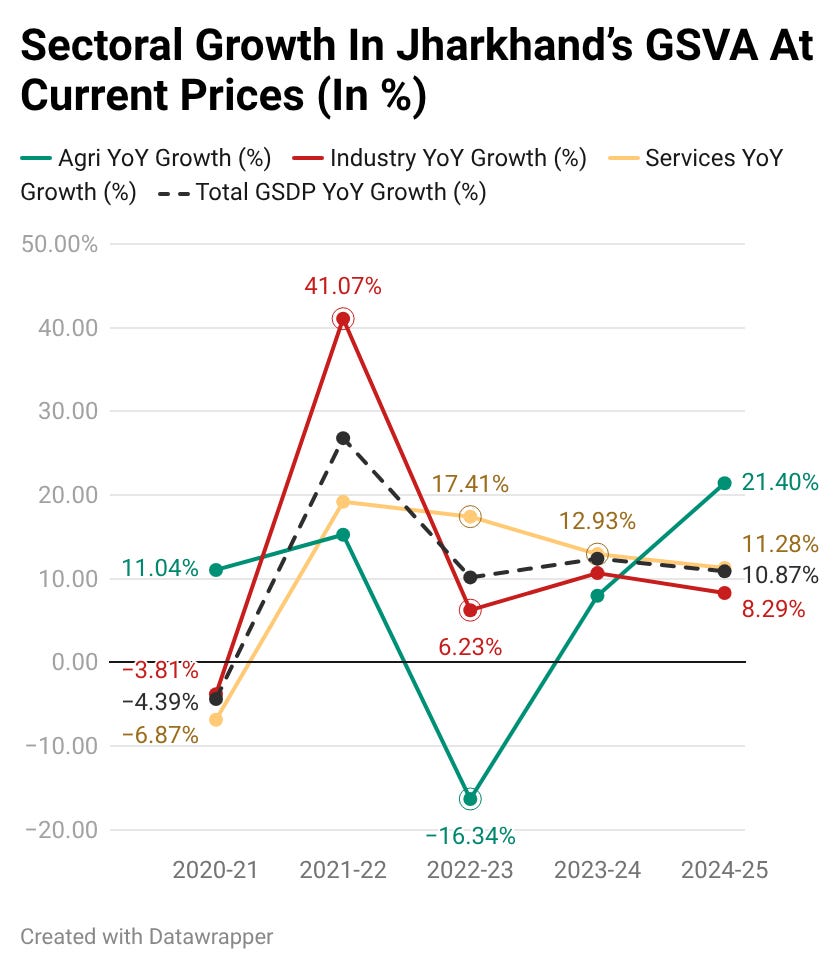
Image 4: Sectoral Growth In Jharkhand’s GSVA At Current Prices
IV. Expenditure
Revenue Expenditure: Revenue expenditure for Jharkhand for 2026–27 is proposed to be ₹ 1.21 lakh crore, an increase of 4.61% over the revised estimate of 2025–26 (₹ 1.16 lakh crore).
Committed Expenditure:
In 2026–27, Jharkhand is estimated to spend ₹ 38,455.69 crore on committed expenditure towards Salaries, Pension, and Interest Payments. This constitutes around 28.23% of the state’s estimated revenue receipts of ₹ 1.36 lakh crore. In 2025–26 RE, committed expenditure under these heads stood at ₹ 36,423.52 crore, accounting for nearly 29.15% of revenue receipts.
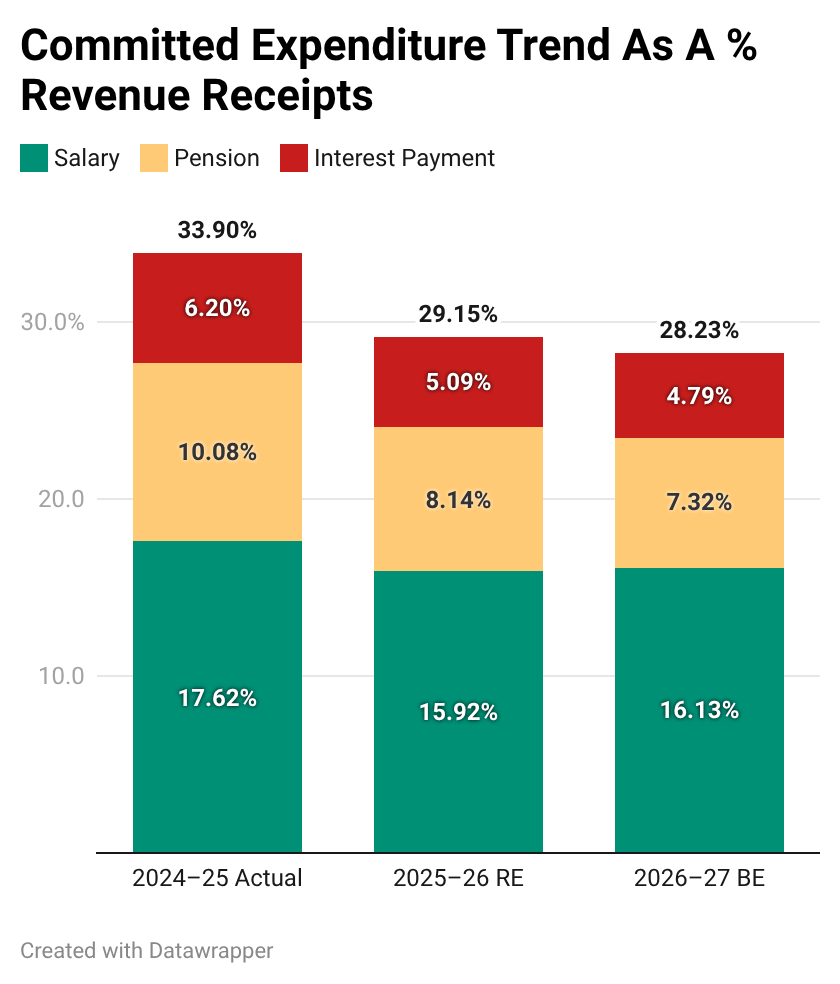
Image 5: Jharkhand’s Committed Expenditure Trend As % Of Revenue Receipts This comprises spending on Salaries (₹ 21,968.33 crore), Pension (₹ 9,967.40 crore), and Interest Payments (₹ 6,519.96 crore). The relatively high committed expenditure reduces the fiscal space available for developmental and capital expenditure priorities.
Out of every rupee that comes in as revenue receipts, about 28.23 paise is estimated to be spent on committed expenditure in 2026–27, lower than 29.15 paise in 2025–26 RE. The major share of this expenditure is accounted for by salary payments, pension liabilities, and interest payments, which together absorb more than one-fourth of the state’s revenue receipts.
Capital Outlay: Capital outlay for Jharkhand for 2026–27 is proposed to be ₹ 28,447.27 crore, an increase of 11.23% over the revised estimate of 2025–26 (₹ 25,574.48 crore).
In 2026–27, capital outlay in Jharkhand accounts for around 18.95% of the net expenditure (₹ 1,50,105.83 crore) and about 4.56% of the GSDP (₹ 6.24 lakh crore).
Compared to previous years, the proposed outlay reflects a steady increase in capital spending. Capital outlay was ₹ 22,571.06 crore in 2024–25 (actuals) and ₹ 24,797.44 crore in 2023–24 (actuals), reflecting sustained emphasis on infrastructure creation and asset development, with higher allocations proposed for 2026–27.
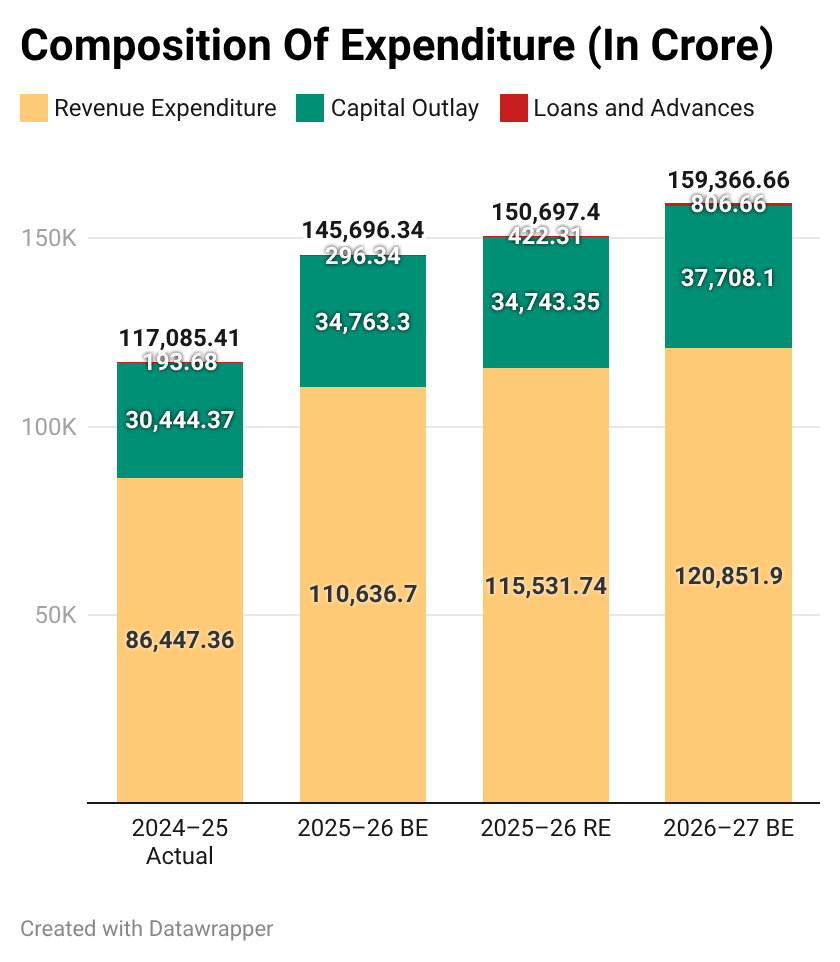
Image 6: Composition Of Jharkhand’s Expenditure (in ₹ crore)
Loans And Advances: In 2026–27 BE, loans and advances by Jharkhand are expected to be ₹ 806.66 crore, around 91.01% higher than the revised estimate of 2025–26 (₹ 422.31 crore).
V. Revenue Receipt
Total Revenue Receipts: Total revenue receipts for Jharkhand for 2026–27 are estimated to be ₹ 1.36 lakh crore, an increase of 9.03% over the revised estimate of 2025–26 (₹ 1.25 lakh crore). Of this, ₹ 66,700 crore (48.97%) will be raised by the state through its own resources, comprising State’s Own tax revenue of ₹ 46,000 crore and State’s Own Non-tax revenue of ₹ 20,700 crore. The remaining ₹ 69,510.04 crore (51.03%) will come from the centre through the state’s share in central taxes and grants-in-aid.
Resources from the Centre: Resources from the centre for Jharkhand consist of the state’s share in central taxes (37.62% of revenue receipts) and grants-in-aid (13.42% of revenue receipts). This indicates a significant dependence on transfers from the centre, making the state finances partly dependent on central allocations and devolution trends.
16th Finance Commission: As per the recommendations of the 16th Finance Commission, Jharkhand has been allocated a 3.357% share in the divisible pool of central taxes for the period 2026–31.
Share in Central Taxes: In 2026–27, Jharkhand’s share in central taxes is estimated at ₹ 51,236.38 crore, an increase of 11.23% over the revised estimate of 2025–26 (₹ 46,065.55 crore). This rise indicates higher tax devolution from the centre, which strengthens the state’s revenue base.
Central Grants: Grants from the centre in 2026–27 are estimated at ₹ 18,273.66 crore, an increase of 7.13% over the revised estimate of 2025–26 (₹ 17,057.10 crore). The 2024–25 actual grants from the centre stood at ₹ 9,198.62 crore, indicating a significant increase in subsequent budget allocations.
State’s Own Tax Revenue: Jharkhand’s total own tax revenue is estimated to be ₹ 46,000 crore in 2026–27, an increase of 19.70% over the revised estimate of 2025–26 (₹ 38,429.67 crore). Own tax revenue continues to remain the largest component of the state’s own revenue receipts.
State’s Own Non-Tax Revenue: State’s own non-tax revenue in 2026–27 is estimated at ₹ 20,700 crore, a decline of 11.46% from the revised estimate of 2025–26 (₹ 23,380 crore). However, it remains significantly higher than the 2024–25 actual collection of ₹ 14,231.39 crore.
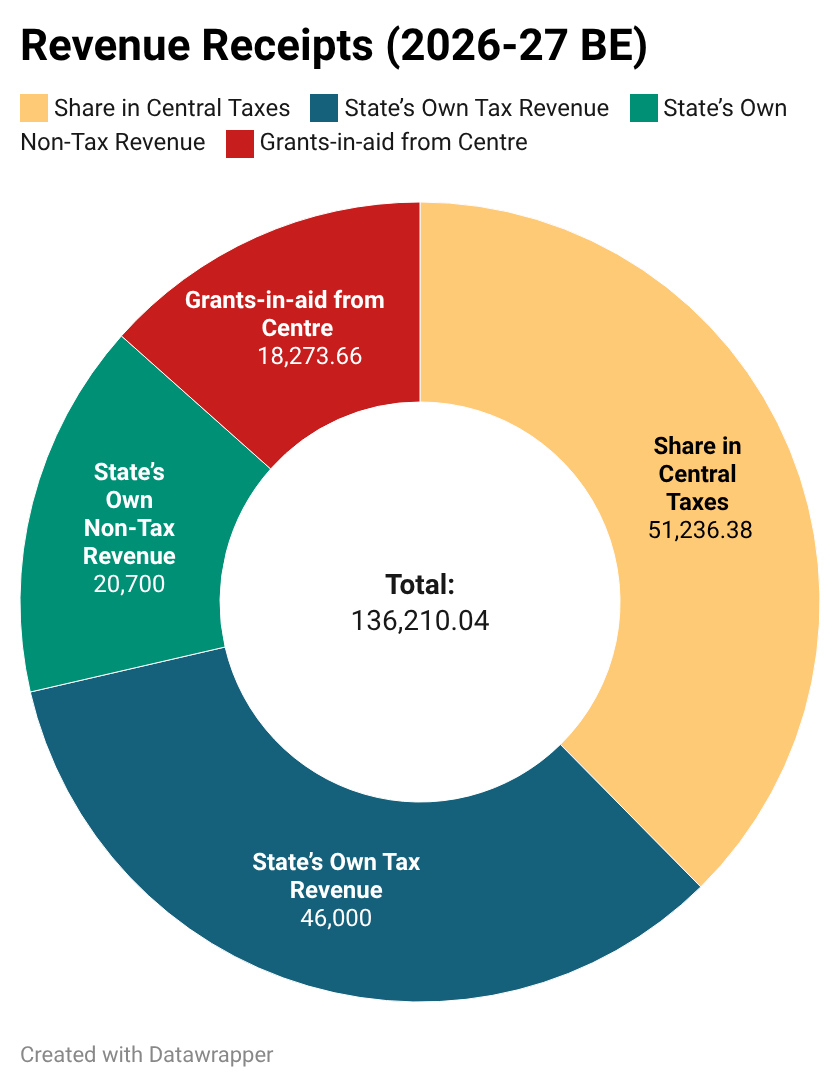
Image 7: Revenue Receipts (2026-27 BE) (in ₹ crore)
VI. Deficits and Debts
Fiscal Deficit (FD): Fiscal Deficit for 2026–27 is targeted at 2.18% of GSDP, amounting to ₹ 13,595.79 crore, compared to 2.86% of GSDP, amounting to ₹ 16,238.87 crore, in 2025–26 RE.
Primary Deficit: Primary Deficit for 2026–27 is targeted at 1.13% of GSDP, amounting to ₹ 7,075.83 crore, compared to 1.74% of GSDP, amounting to ₹ 9,884.20 crore, in 2025–26 RE.
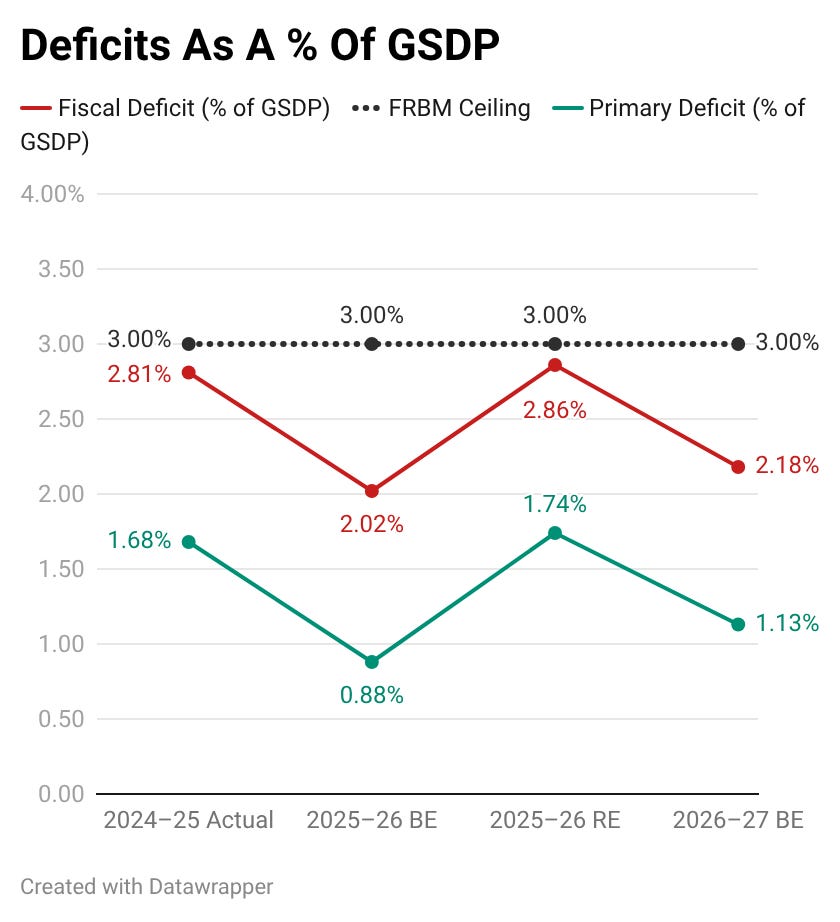
Image 8: Jharkhand’s Deficits As A % Of GSDP With Respect To FRBM Ceiling. Outstanding Public Debt: Outstanding Public Debt for 2026–27 is projected at 3.53% of GSDP, amounting to ₹ 22,049.96 crore, compared to 4.40% of GSDP, amounting to ₹ 24,985.42 crore, in 2025–26 RE.
VII. State’s Revenue Analysis
Revenue Surplus (RS): Revenue Surplus for 2026–27 is estimated at 2.46% of GSDP, amounting to ₹ 15,358.14 crore, compared to 1.66% of GSDP, amounting to ₹ 9,400.58 crore, in 2025–26 RE.
Mining Revenue: Mining sector continues to remain a major source of revenue for Jharkhand. Under the head Non-Ferrous Mining and Metallurgical Industries, the State has estimated receipts of ₹ 16,000 crore in 2026-27. In 2024-25, actual receipts from this head stood at ₹ 12,086.46 crore. This reflects an increase of about 32.38% between 2024-25 actuals and 2026-27 budget estimates. At ₹ 16,000 crore, this head alone accounts for about 11.75% of the State’s total revenue receipts in 2026-27.
Budget Stabilisation Fund: Jharkhand has created a Budget Stabilisation Fund designated as “Revenue Reserve Fund” in the Annual Financial Statement, to cushion state finances against future revenue shocks, particularly fluctuations in mining revenue. The fund balance is estimated to increase to ₹ 1209 crore for the year 2026-27 from ₹ 832 crore in 2025–26 strengthening fiscal reserves and providing a buffer against volatility in a key source of the state’s non-tax revenue.
State Goods and Services Tax (SGST): SGST remains the largest single component of the State’s own tax revenue. Receipts under SGST are estimated at ₹ 14,563.75 crore in 2026-27, against actuals of ₹ 13,979.93 crore in 2024-25, an increase of about 4.18%. This head contributes about 10.69% of the State’s total revenue receipts in 2026-27. Notably, the 2026-27 estimate is lower than the 2025-26 revised estimate of ₹ 15,977.48 crore, a decline of about 8.85%.
Taxes on Sales: Receipts under Taxes on Sales, Trade etc. are estimated at ₹ 7,899.72 crore in 2026-27, against actuals of ₹ 6,685.70 crore in 2024-25, an increase of about 18.16%. This head accounts for about 5.80% of the State’s total revenue receipts in 2026-27.
State Excise: State Excise is estimated to yield ₹ 4,500 crore in 2026-27, against actuals of ₹ 2,707.97 crore in 2024-25, an increase of about 66.18%, contributing about 3.30% of the State’s total revenue receipts.
VIII. Underutilisation Of Funds By Local Bodies
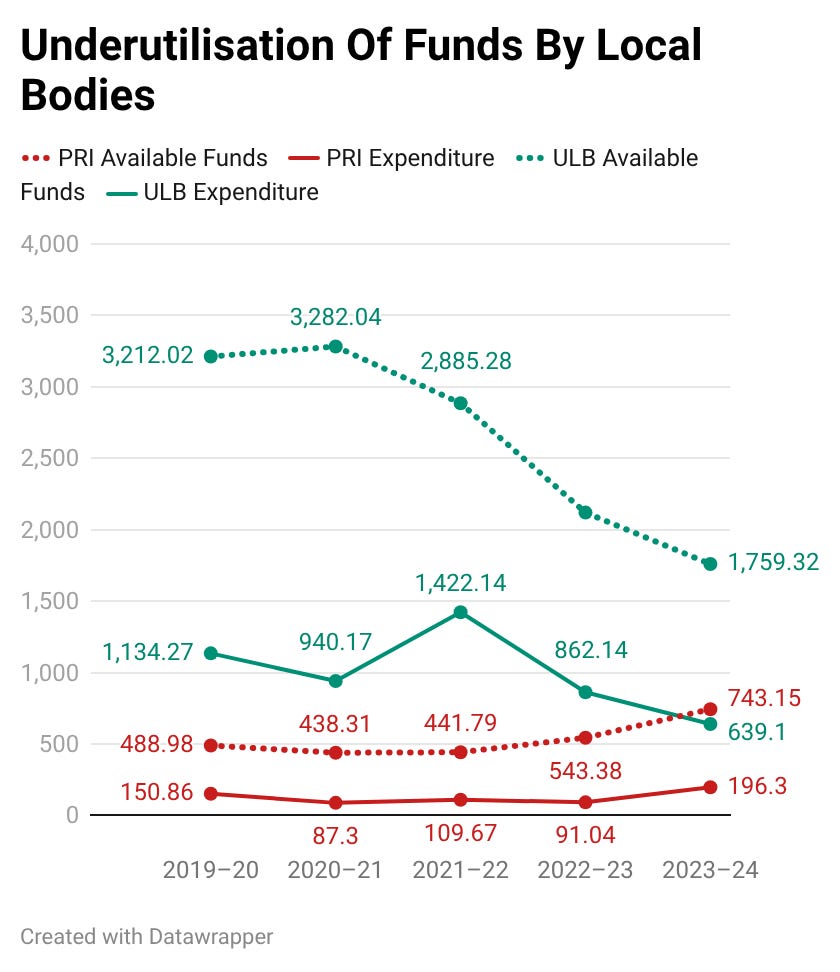
Panchayati Raj Institutions (PRIs): In 2023-24, PRIs had ₹ 743.15 crore available for spending (opening balance of ₹ 452.33 crore plus a State receipt of ₹ 290.82 crore) but utilised only ₹ 196.30 crore, leaving a closing balance of ₹ 546.85 crore. In 2019-20, the closing balance stood at ₹ 338.12 crore, indicating a rise of about 61.7% over five years.
Urban Local Bodies (ULBs): In 2023-24, ULBs had ₹ 1,759.32 crore available for spending (opening balance of ₹ 1,257.49 crore plus a State receipt of ₹ 501.83 crore) but utilised only ₹ 639.10 crore, leaving a closing balance of ₹ 1,120.22 crore. In 2022-23, the closing balance was ₹ 1,257.49 crore, showing that balances have remained above ₹ 1,100 crore throughout.
Pending Utilisation Certificates: As of March 2024, 47,367 Utilisation Certificates (UCs) involving grants of ₹ 1.33 lakh crore remained outstanding, up from 42,158 UCs worth ₹1.14 lakh crore in 2021–22. This represents a 12.36% increase in the number of pending UCs and a 16.78% increase in the value of grants awaiting utilisation certification within a year, indicating a growing backlog in expenditure reporting and verification.
Major Departments with Pending UCs: The majority of pending UCs are concentrated in a few key departments, with Rural Development (₹ 41,651 crore), School Education & Literacy (₹ 31,956 crore), Urban Development & Housing (₹ 25,285 crore), Health, Medical Education & Family Welfare (₹ 12,307 crore), and Energy (₹ 11,142 crore) accounting for a significant share of the outstanding amount.
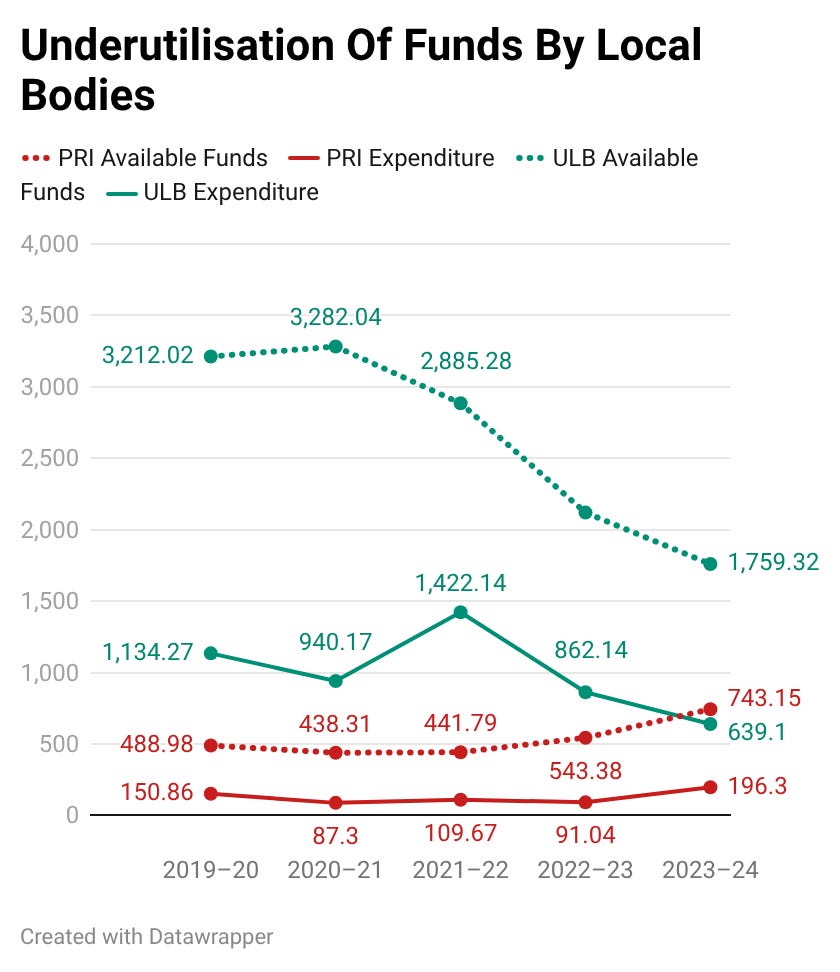
Image 9: Underutilisation Of Funds By Local Bodies The persistent accumulation of unspent balances with both PRIs and ULBs indicates gaps in fund utilisation capacity and delays in implementation at the local level. Despite substantial funds being made available, a significant portion remains unutilised, raising concerns regarding planning efficiency, project execution, and timely delivery of local development works.
Strengthening financial management, administrative capacity, and monitoring mechanisms at the grassroots level may help improve utilisation of devolved funds and enhance the effectiveness of local governance institutions.
IX. Discom Performances
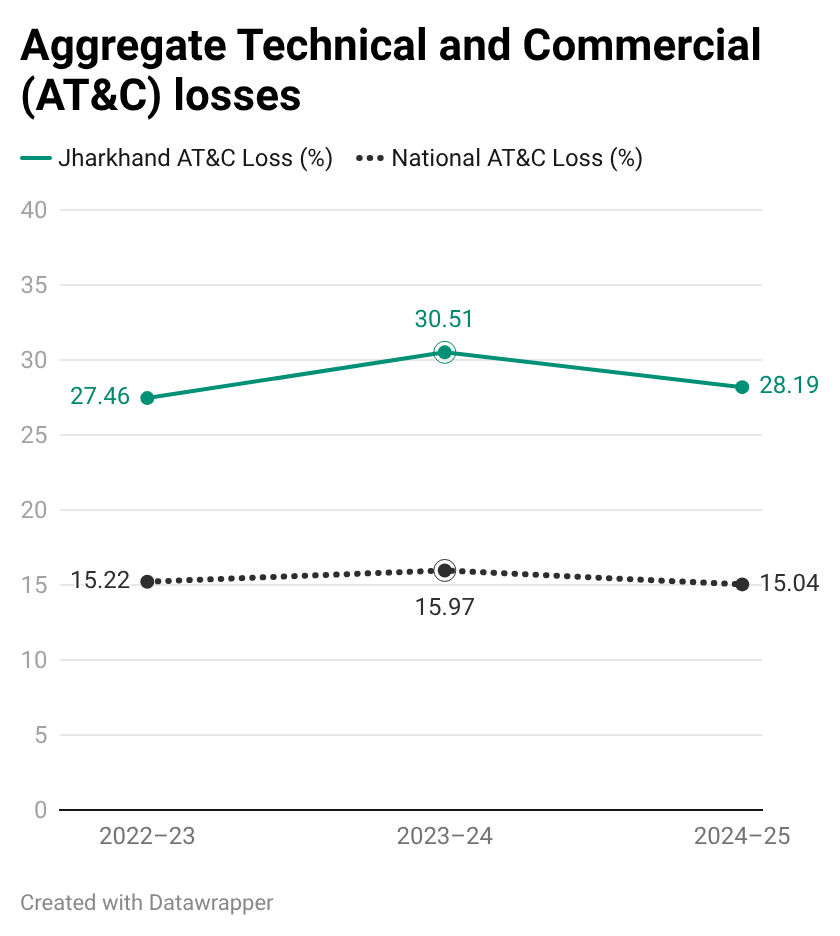
Aggregate Technical & Commercial (AT&C) Loss: Jharkhand’s AT&C losses increased from 27.46% in 2022–23 to 30.51% in 2023–24 before moderating to 28.19% in 2024–25, indicating the absence of sustained improvement in power distribution efficiency. The state continued to perform significantly worse than the national average, with 2024–25 AT&C losses at 28.19% compared to the all-India average of 15.04%, nearly twice the national level.
Billing Efficiency: Jharkhand’s billing efficiency declined from 73.46% in 2023–24 to 71.81% in 2024–25, against the all-India average of 87.59%. Billing efficiency stood at 72.54% in 2022–23, reflecting persistent weaknesses in metering, billing, and energy accounting systems over the period.
ACS-ARR Gap: Jharkhand’s ACS-ARR gap (on tariff subsidy received basis) declined from ₹ 2.52 per unit in 2022–23 to ₹ 1.66 per unit in 2023–24 and further to ₹ 0.95 per unit in 2024–25, indicating improvement in cost recovery and the financial position of the DISCOM. However, the gap remained significantly higher than the all-India average of ₹ 0.06 per unit in 2024–25.
₹ 3,332 crore of Jharkhand’s outstanding liabilities at the end of March 2025 pertained to liabilities under the Ujwal DISCOM Assurance Yojana (UDAY) related to power distribution companies (DISCOMs), out of the state’s total outstanding liabilities of ₹ 1,28,947.6 crore.
Despite improvements in cost recovery, Jharkhand’s power distribution sector continues to face structural challenges, reflected in AT&C losses that remain significantly above the national average, weak billing efficiency, and the persistence of UDAY-related liabilities.
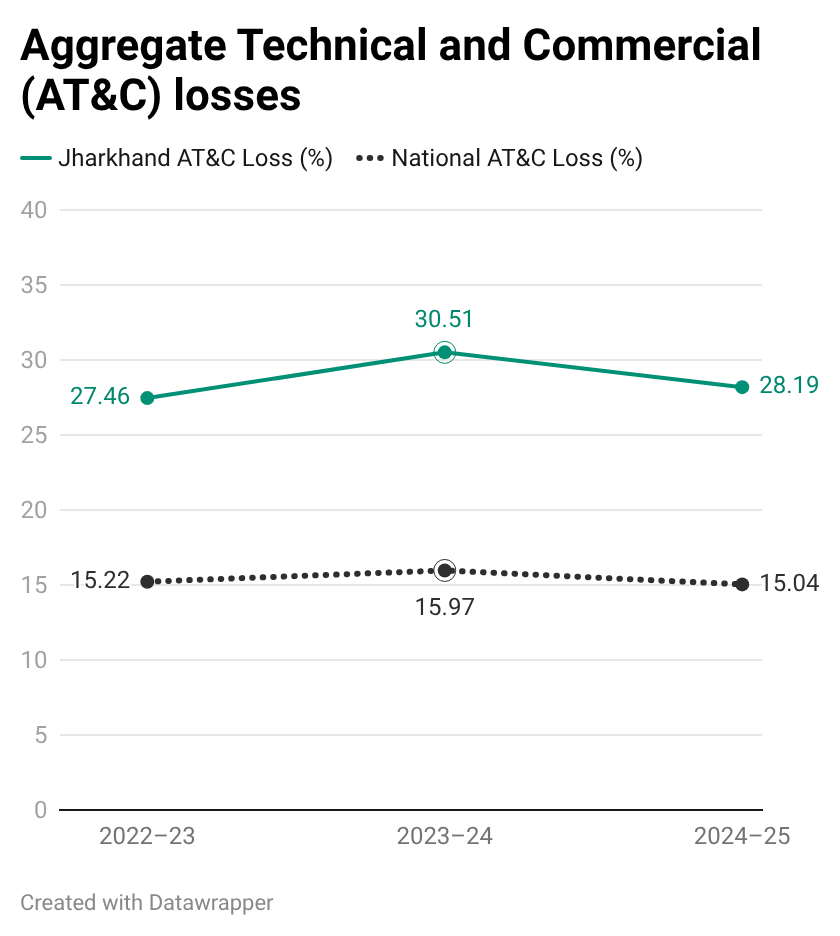
Image 10: : AT&C Loss Jharkhand Vs National Average.
Annexure I -
Annexure II -
Annexure III -
Annexure IV -
Annexure V -