
I. Key Highlights
On 29th April 2026, a six-judge majority of the Supreme Court of the United States (SCOTUS) struck down Louisiana’s congressional map, known as SB8. The SCOTUS held that the map was a racial gerrymander under the Fourteenth Amendment’s Equal Protection Clause. In the same decision, the Court narrowly interpreted Section 2 of the Voting Rights Act, 1965 (the “VRA”).
The case arose out of a challenge to Louisiana’s congressional map, and in particular to a snake-shaped second majority-Black district known as District 6. The Louisiana legislature had drawn this district to comply with a federal trial court’s finding in Robinson v. Ardoin that its earlier map, with only one majority-Black district, likely violated Section 2 of the ‘VRA’. A separate group of voters then challenged the new map, arguing that race had been the main factor in drawing District 6 and that the map was therefore an unconstitutional racial gerrymander under the Fourteenth Amendment.
The question before the SCOTUS was whether Louisiana could be held liable for racial gerrymandering for drawing exactly the kind of district that a federal court had told it was needed under the VRA. In short, the State found itself caught between two constitutional commands, namely a statutory duty under the VRA to ensure minority voters have a fair opportunity to elect their preferred candidates, and a constitutional bar under the Fourteenth Amendment against using race in drawing district lines. The Court had to decide which command would prevail.
By a 6 to 3 majority, the SCOTUS held that the Fourteenth Amendment prevailed. It ruled that the VRA, properly read, had not in fact required Louisiana to draw a second majority-Black district, and so the State had no sufficient reason to use race when drawing SB8. The map was struck down.
The decision can be seen as the third major blow to the VRA, following Shelby County v. Holder, which disabled the Section 5 preclearance, and Brnovich v. Democratic National Committee, which made it harder to succeed in vote-denial claims under the VRA.
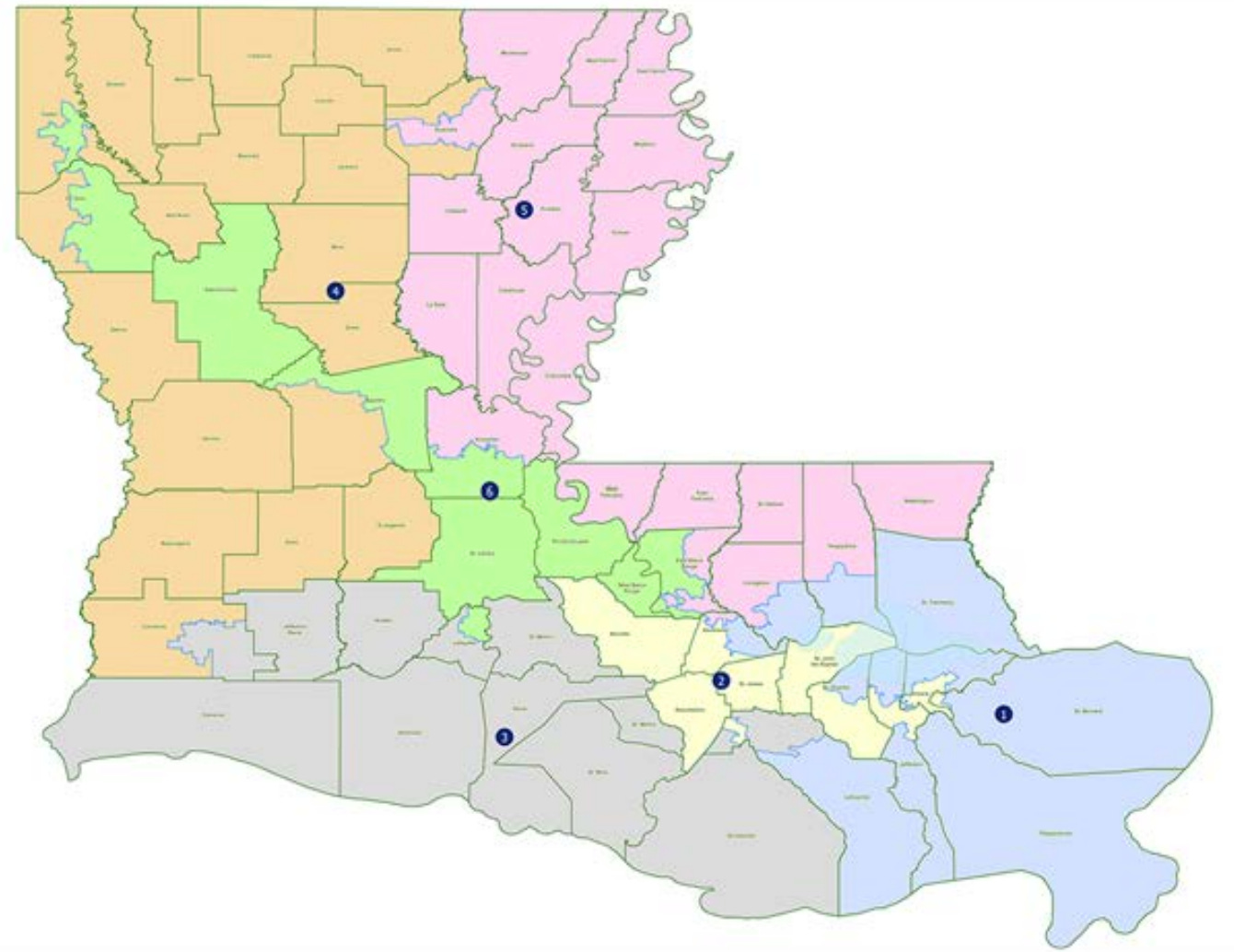
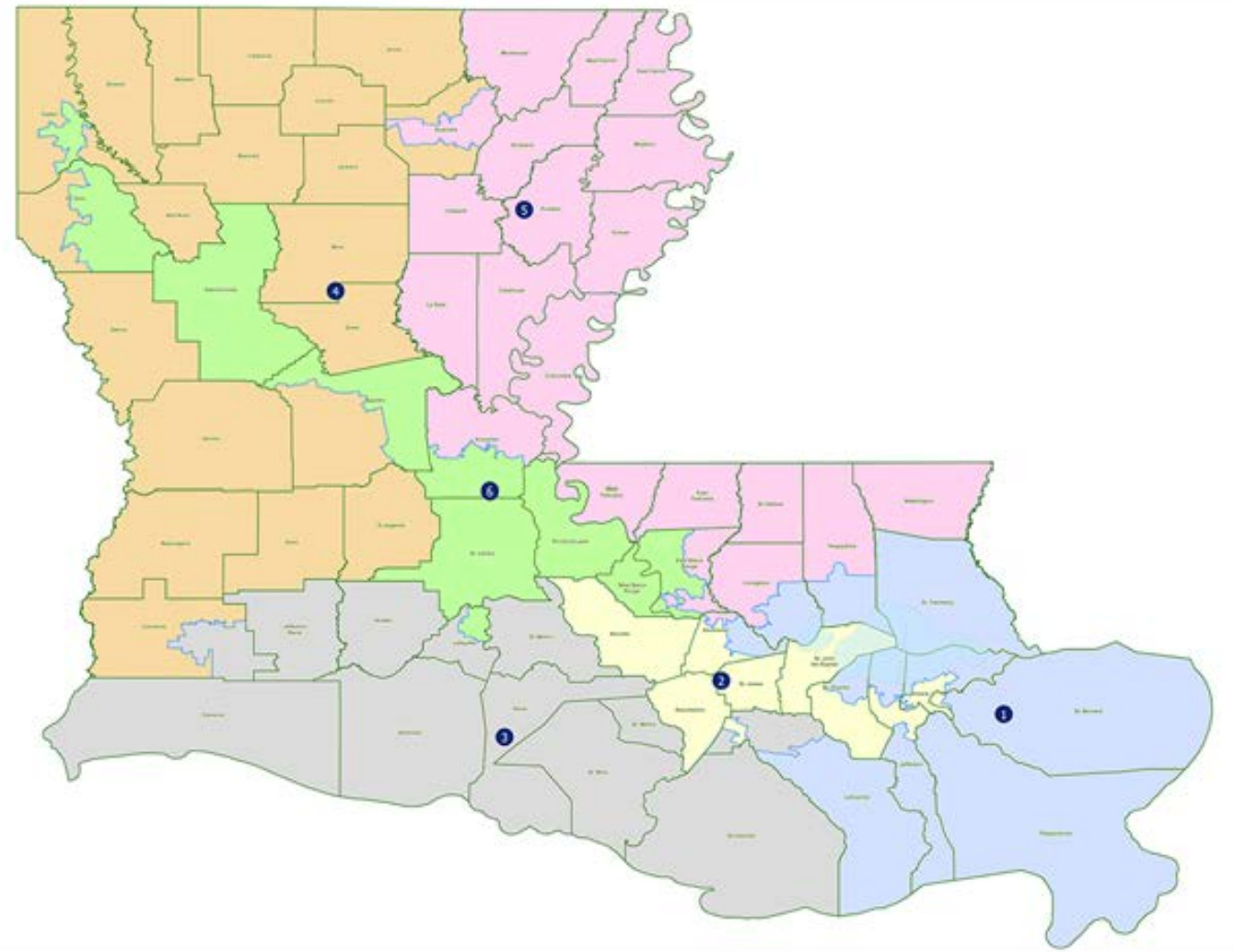
Image 1: SB8 Map (District 6 in green) While the Court formally retained the framework laid down in Thornburg v. Gingles, it reworked the framework’s components so that a State can now be held liable for vote-dilution only where the circumstances give rise to a strong inference that intentional discrimination has occurred.
Justice Alito wrote the opinion of the Court, joined by Chief Justice Roberts and Justices Thomas, Gorsuch, Kavanaugh and Barrett. Justice Thomas, joined by Justice Gorsuch, filed a separate concurring opinion in which he restated his long-standing view, first set out in Holder v. Hall, that Section 2 does not apply to legislative districting at all.
Justice Kagan, joined by Justices Sotomayor and Jackson, filed a strong dissent. She described the decision as the final step in dismantling the Voting Rights Act, and argued that the majority, under the guise of merely interpreting the statute, has in effect revived the discriminatory-intent test from City of Mobile v. Bolden, the very test that the United States Congress had specifically rejected through the 1982 amendment to Section 2.
A joint study by Black Voters Matter and the Fair Fight Action, first released ahead of the rehearing in October 2025 and reaffirmed after the judgment, estimates that the decision could allow Republican controlled legislatures in ten Southern states to flip as many as 19 majority-minority congressional seats currently held by Democrats.
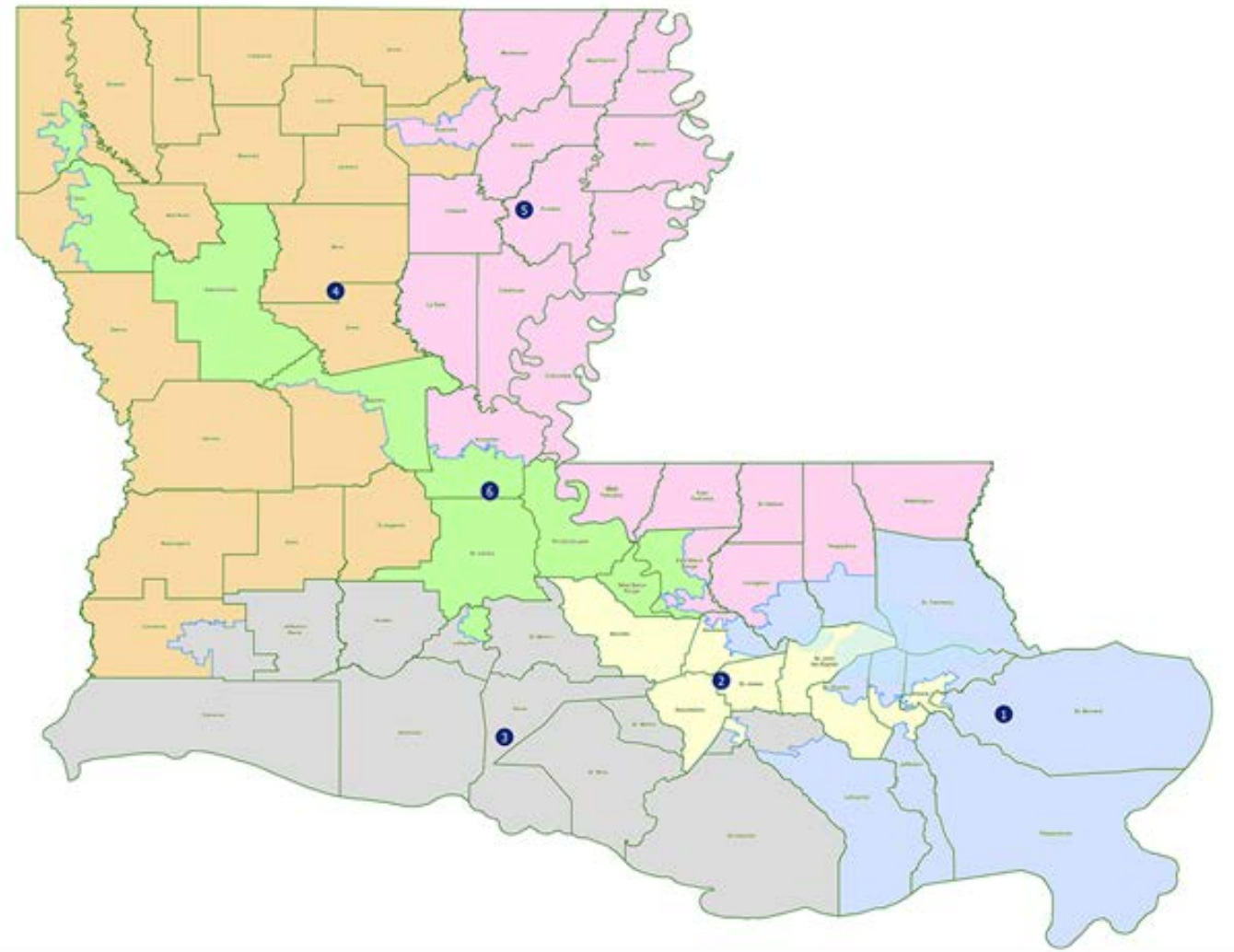
II. Key Observations By the Court
Majority View
Compliance with Section 2 of the VRA can serve as a compelling interest that justifies race-based districting under the Fourteenth Amendment, but only where the statute is read narrowly so that it tracks the Fifteenth Amendment’s prohibition on intentional racial discrimination.
The “less opportunity” test in Section 2 sets a baseline that is tied to the State’s permissible non-racial districting criteria. Where a State has drawn its lines for legitimate political reasons, such as protecting incumbents or distributing seats between parties, the Voting Rights Act does not require any race-conscious remedy, even if minority voters are left with reduced electoral influence as a result.
The Gingles framework is retained but updated. The appellants' alternative maps must now satisfy all of the State's non-racial political goals, evidence of racial-bloc voting must be controlled for partisan affiliation, and the totality-of-circumstances inquiry must focus on present-day intentional racial discrimination rather than on historical or societal discrimination.
Applied to the facts, the appellants’ case failed at every step of the updated framework. Section 2 therefore did not require Louisiana to draw a second Black-majority district, and no compelling interest justified the State’s use of race in drawing SB8. The map must accordingly be treated as an unconstitutional racial gerrymander.
The Dissenting View:
While the majority formally keeps the Gingles framework in place, it has, in substance, brought back the discriminatory-intent test from City of Mobile v. Bolden, the very test that the United States Congress had specifically rejected when it amended Section 2 in 1982.
The decision sits uneasily with the principle of statutory stare decisis, which gives heightened protection to long-settled interpretations of a statute. Just three years ago, in Allen v. Milligan, the Supreme Court reaffirmed Gingles on closely comparable facts and treated the 1982 legislative compromise as deserving particular deference. Nothing has materially changed since then, and there is no ground to disturb the settled position.
The combined effect of Rucho v. Common Cause (2019) and the new requirement is that a State can shield a vote-diluting map from challenge under Section 2 simply by announcing that its objective was a partisan gerrymander. In nearly every State where Section 2 still has practical force, this defence will now be available.
III. Conclusion and Its Implications
It will now be much harder to win Section 2 vote-dilution claims, especially in States where racial identity and party preference closely overlap. The change is likely to have the greatest impact in the South, where most Section 2 litigation has historically taken place.
Mid-decade redistricting is already underway. Louisiana suspended its primary scheduled for 16th May 2026 to permit redrawing, Florida has approved a new map, and special legislative sessions have been called in Alabama and Tennessee. However, the full electoral effect is unlikely to be measurable before the 2028 cycle.
It is important to note that the holding rests in part on the constitutional contours of Congress’s enforcement power under the Fifteenth Amendment, as read through the “congruence and proportionality” test laid down in City of Boerne v. Flores (1997). For that reason, a future Congress cannot simply legislate around the decision. Litigation is therefore expected to pivot to State Voting Rights Acts, in force in New York, California, Connecticut, Minnesota, Virginia and Washington, and related State constitutional claims, as litigants seek out forums where the federal narrowing under Callais does not bind.
The decision is also expected to affect the Alabama remand proceedings following Allen v. Milligan, the ongoing redistricting litigation in South Carolina, Texas and Georgia, and Section 2 challenges to at-large local elections, including those for school boards and county commissions. The local-government dimension is particularly significant. Roughly half of all Section 2 litigation brought since the 1982 amendment has been directed at municipal at-large systems rather than at congressional maps, and the doctrinal recalibration in Callais applies with equal force to that body of cases.
A Brief Comparative Caveat For The Indian Readers: The narrowing in Callais will have no direct effect in India. The two systems are not analogous, and Callais does not carry over into the Indian delimitation debate.
Annexure I - Background Of The Case
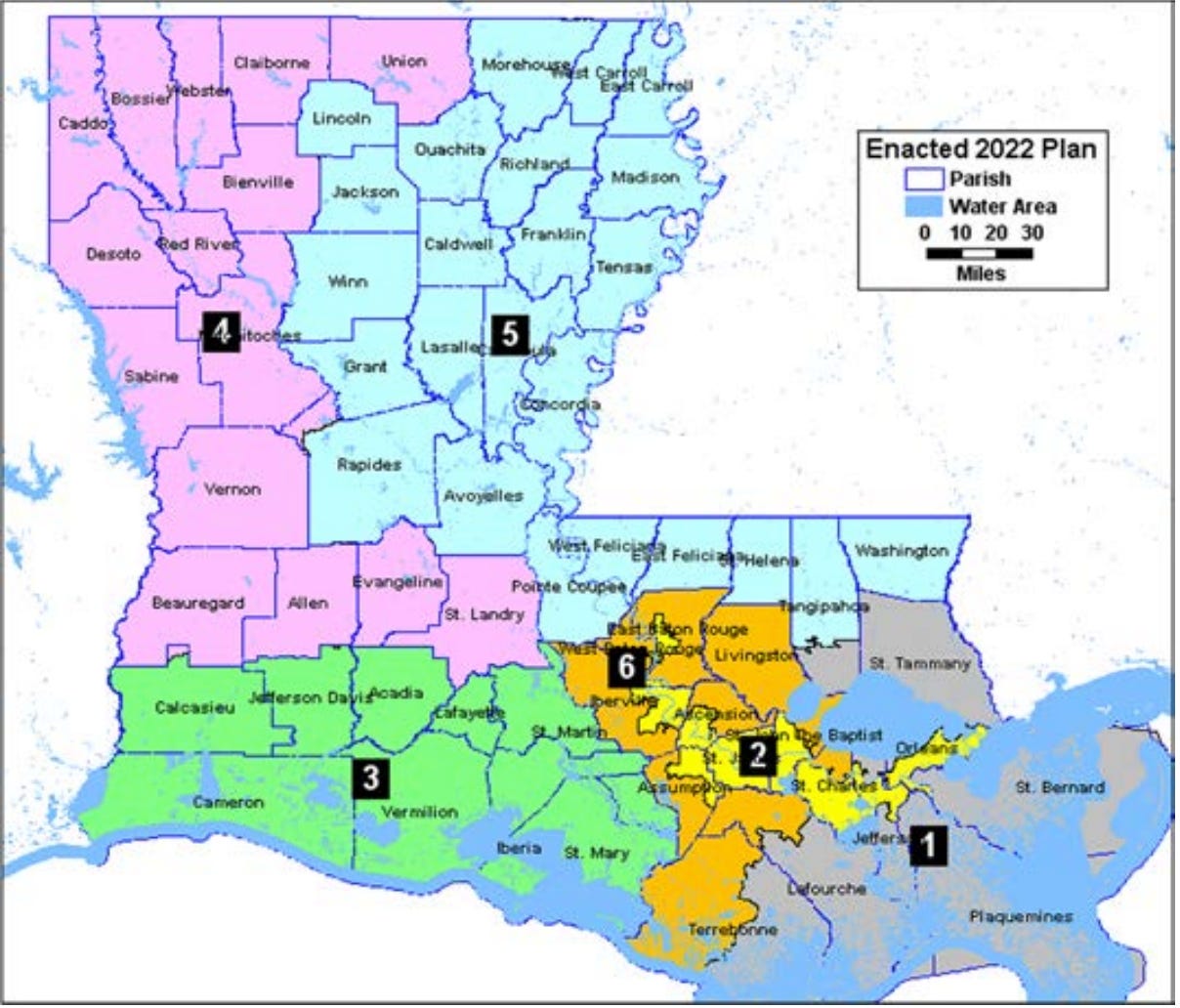
Following the 2020 decennial census, Louisiana retained its allocation of six congressional seats. The State legislature in 2022 enacted HB1, which retained one majority-Black district (District 2, encompassing New Orleans and Baton Rouge) out of six, despite Black residents constituting approximately 30% of the population.
A coalition of Black voters challenged HB1 in the United States District Court for the Middle District of Louisiana. In Robinson v. Ardoin, Chief Judge Shelly Dick held that the plaintiffs were likely to succeed on the merits and that HB1 ‘packed’ Black voters into District 2 and ‘cracked’ them across the remaining five districts. The court entered a preliminary injunction directing Louisiana to enact a new map that included a second majority-Black district.
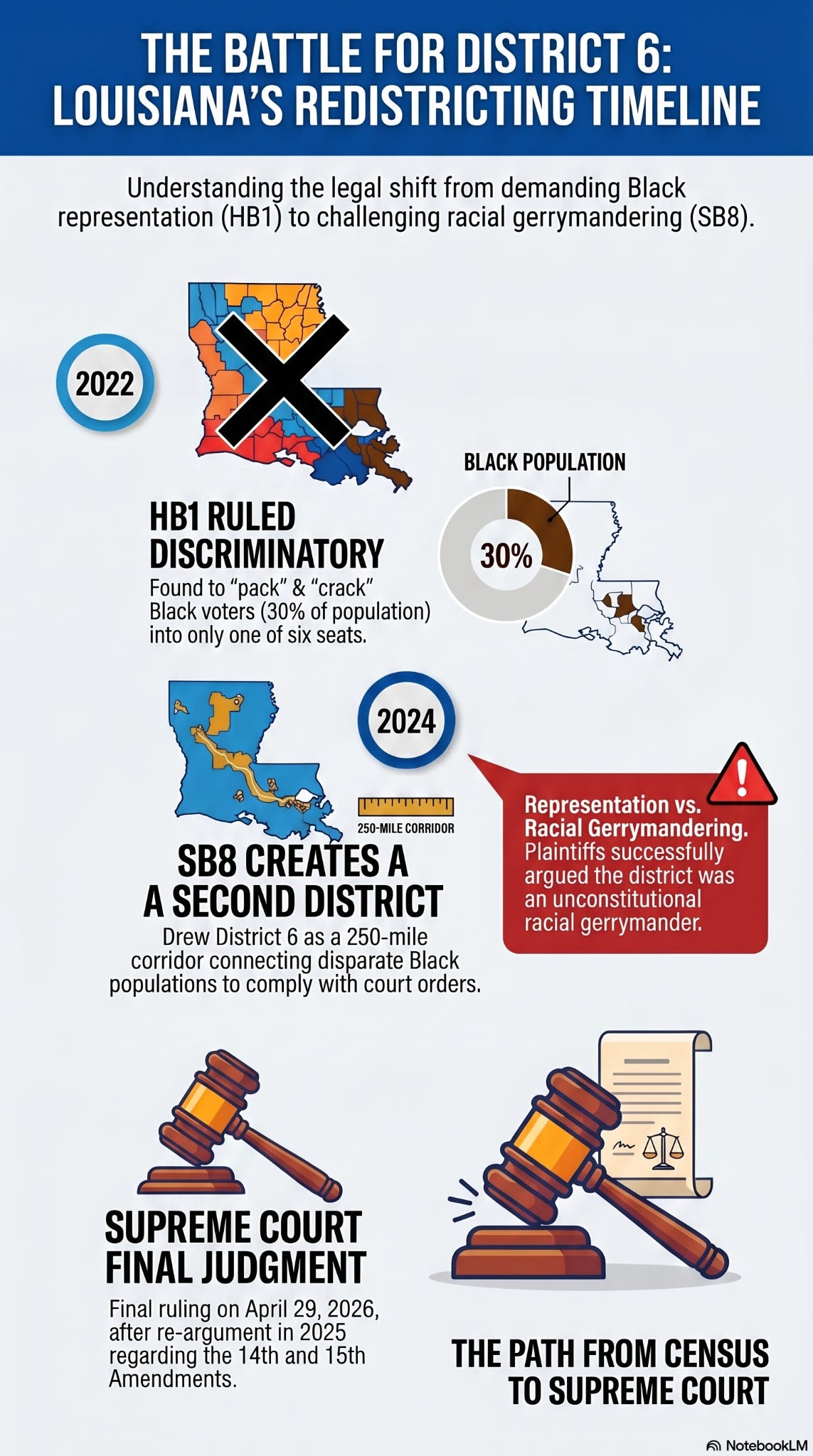
The Supreme Court granted certiorari before judgment, held the case pending its decision in Allen v. Milligan, and after Allen was decided in favour of the Alabama plaintiffs, dismissed the petition as improvidently granted. The United States Court of Appeals for the Fifth Circuit thereafter affirmed the underlying findings while vacating the preliminary injunction allowing until January 2024 to enact a new map.
The Louisiana legislature in 2024 enacted SB8, which retained the original majority-Black District 2 and added a second majority-Black District 6. To attain a majority-Black voting-age population, District 6 was drawn as a 250-mile corridor connecting Black populations in Shreveport in the far north-west, Alexandria in the centre, Lafayette and Baton Rouge in the south.
A group of self-described non-African-American voters (the Callais plaintiffs) challenged SB8 in the United States District Court for the Western District of Louisiana, asserting that District 6 was an unconstitutional racial gerrymander. In Callais v. Landry, the District Court held SB8 unconstitutional.
The State of Louisiana and the Robinson intervenors appealed directly to the Supreme Court. After an initial round of briefing and argument in March 2025, the Court restored the cases to the calendar for re-argument in October Term 2025, ordering supplemental briefing on whether ‘the State’s intentional creation of a second majority-minority congressional district violates the Fourteenth or Fifteenth Amendments to the U.S. Constitution’. Re-argument was held on 15th October 2025, and judgment was delivered on 29th April 2026.
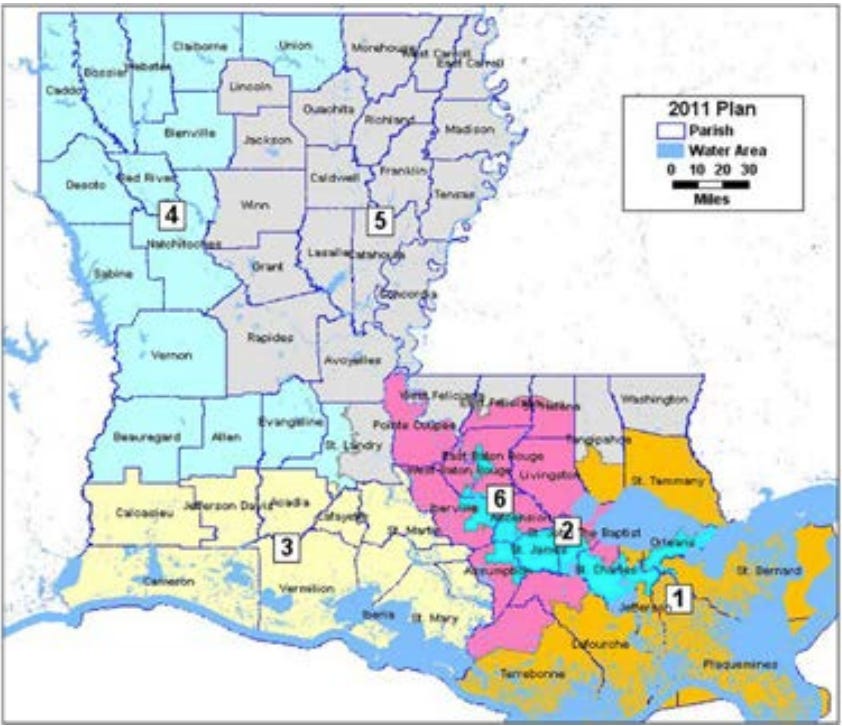
Annexure II - Visual Reference of Louisiana's Congressional Maps, Before and After the Dispute
Key Terms
“Packing” means cramming as many minority voters as possible into a single district, so they can elect only one representative even though their numbers might justify two or more. Their voting power is concentrated and, in effect, negated.
“Cracking” means splitting a minority community across several districts, so that they form a small slice of each one and cannot elect anyone of their choice in any of them. Their voting power is spread thin and, in effect, negated.
These are the two main techniques used to dilute minority votes in the United States, and both feature in this case. The 2022 Louisiana map was challenged on the ground that it packed Black voters into one district and cracked the rest across the other five.
Analysis
Image 3 shows the map of Louisiana used for ten years before the 2020 census. The State has six congressional seats. Of these six, only one was a Black-majority district, namely the oddly shaped District 2, which covered parts of New Orleans and Baton Rouge. Black residents make up about 30% of Louisiana’s population, but they had a real voice in only one out of six seats.
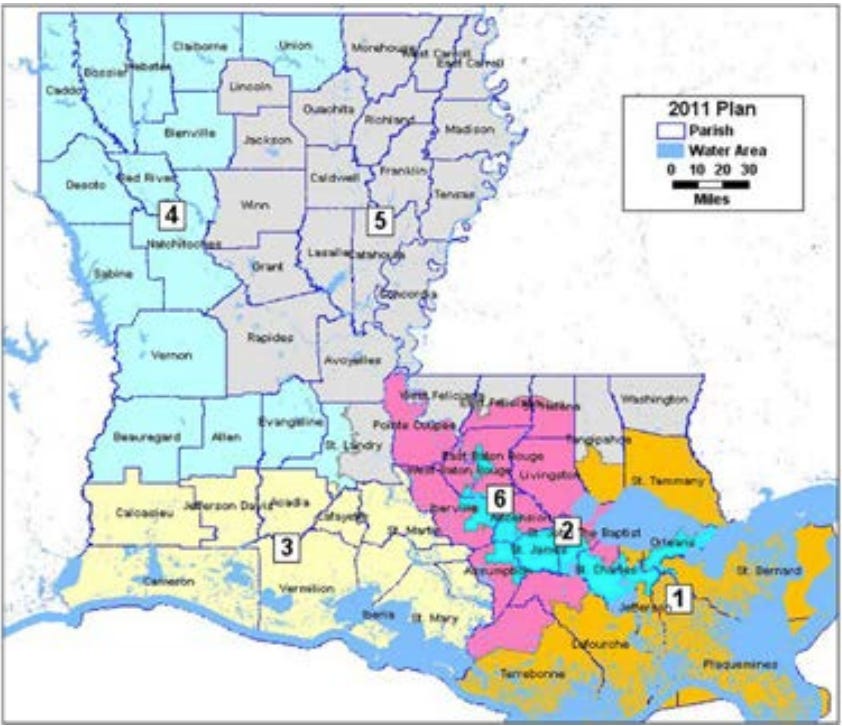
Image 3: Louisiana's Old Map (2013 to 2022) After the 2020 census, Louisiana's legislature drew a new map, called HB1 as shown in Image 4 below. It looks almost identical to the old one. It still has only one Black-majority district. A group of Black voters went to court and said that this was unfair. They argued that the State had packed Black voters into one district and cracked them across the other five, in violation of the Voting Rights Act.
A federal trial judge in Robinson v. Ardoin agreed with them. She held that the plaintiffs were likely to win their case, and ordered Louisiana to draw a new map with two Black-majority districts.
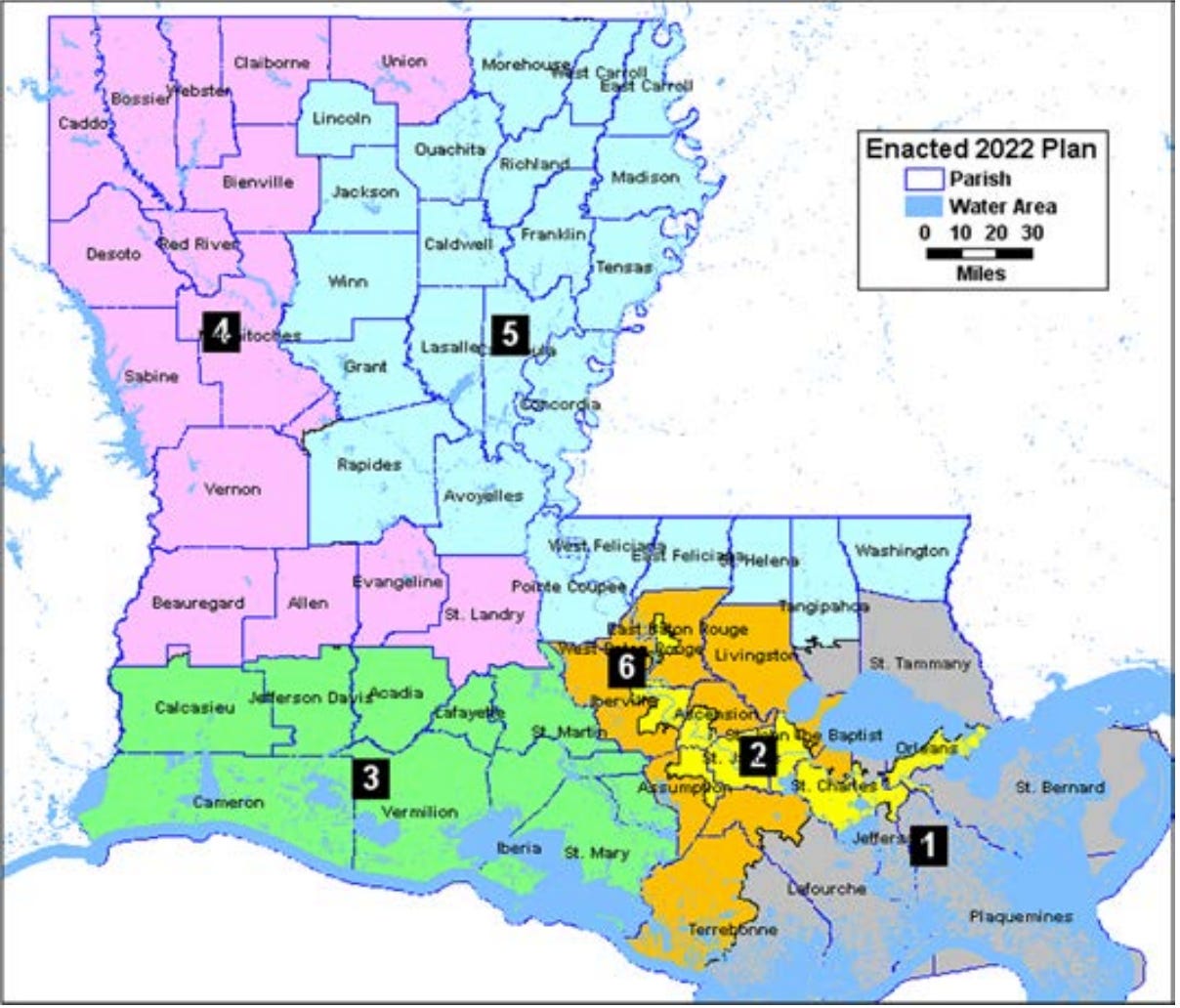
Image 4: HB1, the New Map Drawn in 2022 The map in Image 5 was drawn by Louisiana in response to the trial court’s order. It is called SB8, and it is the map the SCOTUS has now struck down. SB8 keeps the old District 2 and adds a second Black-majority district, called District 6.
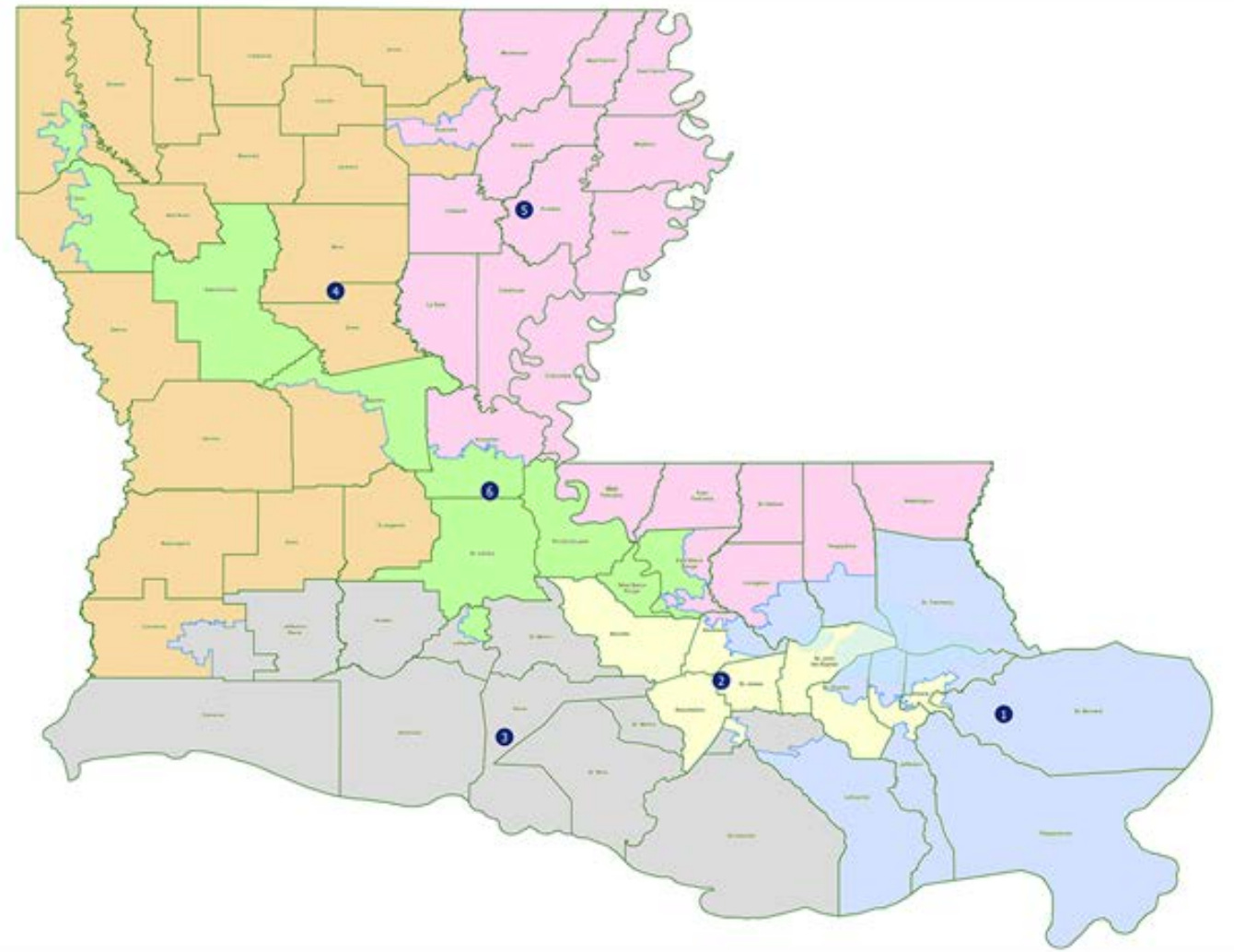
Image 5: SB8, the Map at the Heart of This Case The shape of District 6 is the controversial part. It runs for 250 miles in a long, narrow strip across the State, picking up Black communities from Shreveport in the far north-west, Alexandria in the centre, Lafayette in the south-central region, and Baton Rouge in the south-east. The reason the legislature drew it this way, rather than in a more compact form, was to protect three powerful Republican members of Congress. A more compact second Black-majority district would have put one or more of them in a seat they were likely to lose.
So Louisiana faced a difficult choice. Either follow the trial court’s order and draw the more natural map, in which case it would lose powerful incumbents, or draw a strange-looking map that protected the incumbents but obviously used race to put the lines in unusual places. Louisiana chose the second option. That is the map shown in Image 5.
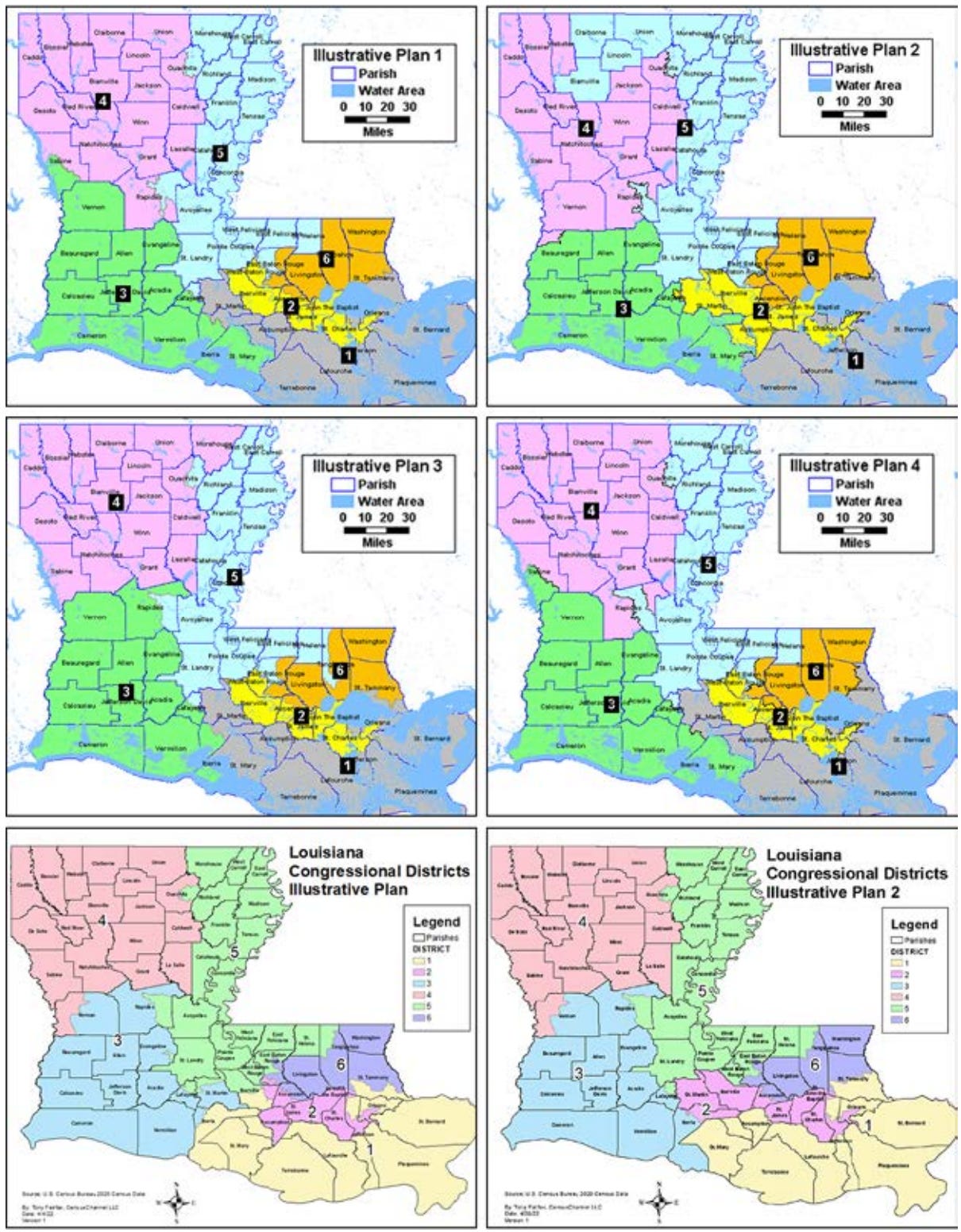
Image 6 shows six alternative maps that the Black voters suggested when they originally went to court. They had to do this in order to prove that a second Black-majority district could be drawn in a normal, sensible shape. In the top four maps, the suggested second Black-majority district is shown in blue. In the bottom two maps, it is shown in green.
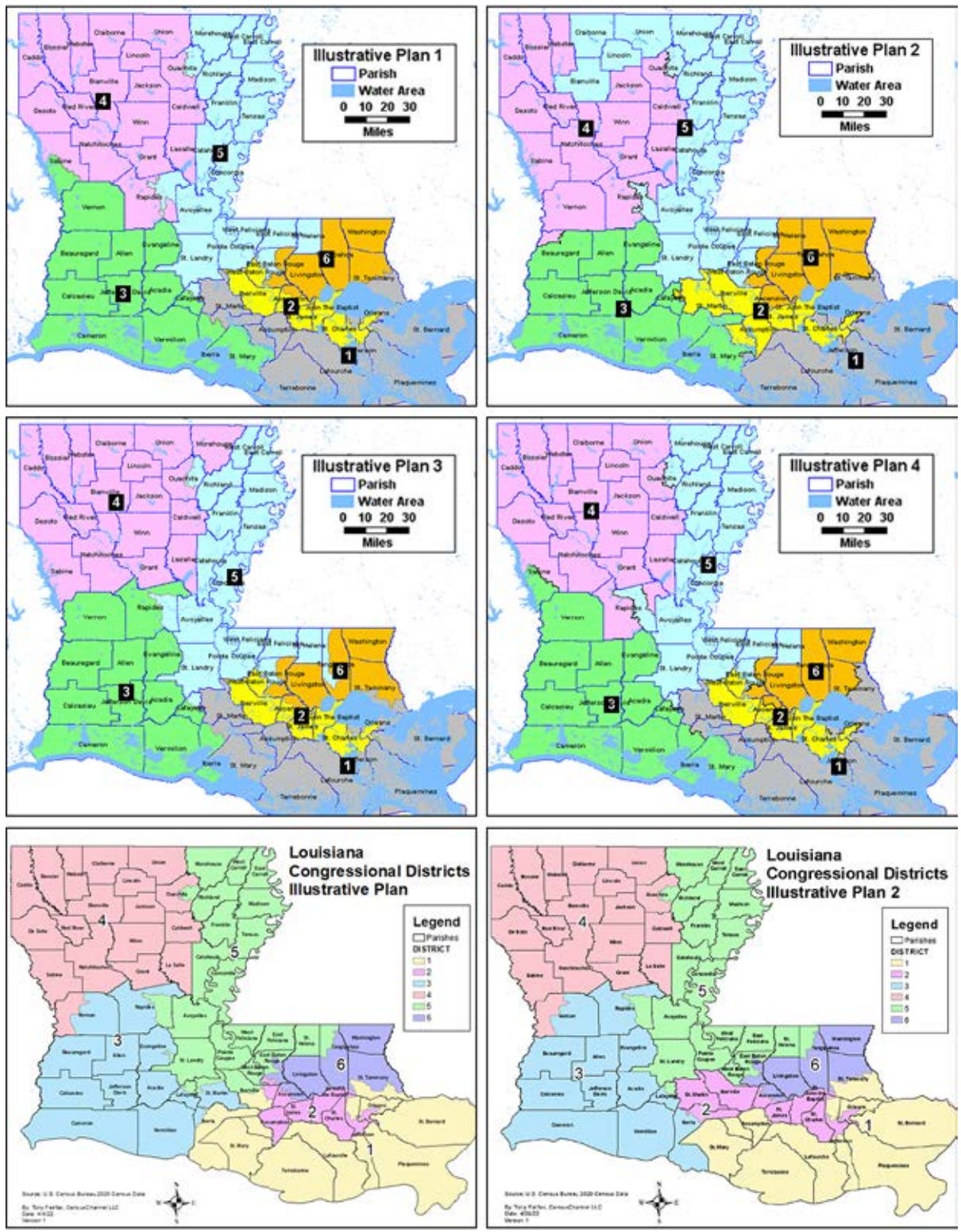
Image 6: The Alternative Maps Suggested Look at where these suggested districts sit on the map. All six of them connect Baton Rouge and Lafayette in the south to the rural Black communities in the north-east corner of the State. None of them goes to Shreveport in the far north-west, which is where Louisiana’s actual SB8 map went.
This difference matters for one big reason. The voters’ suggested maps would have placed Representative Julia Letlow in a heavily Democratic district, where she would almost certainly have lost her seat. Louisiana did not want that. So instead of using anything like the voters’ suggested maps, the State drew a different shape, one that reached out to Shreveport. That kept Letlow safe but produced the unusual 250-mile strip you see in Image 5.
The Supreme Court used this comparison against the Black voters in two ways. First, the Court treated the strange shape of SB8 as proof that Louisiana was thinking about race when it drew District 6.
Second, the Court said the voters’ alternative maps did not actually solve the problem, because they failed to protect all the incumbents the State wanted to keep. On the Court’s new test, an alternative map must satisfy every one of the State’s political goals, including the goal of protecting specific incumbents.
The voters' maps did not do that, so they could not be used to prove that the VRA required a second Black-majority district at all.
Annexure III - Judgment Matrix
For a side-by-side view of the questions before the Court, the arguments advanced by each side, and the Court’s holding on each issue, please refer to the table below. The questions raised and the summary of arguments advanced have been simplified for enhanced clarity.