
Executive Summary
Karnataka’s 2026–27 Budget combines continued expansion of flagship welfare schemes such as Gruhalakshmi with targeted investments in education, agriculture, and digital governance, reflecting a strategy that balances social protection with sectoral development priorities.
The state targets a fiscal deficit of 2.95% of GSDP and a revenue deficit of 0.69%, indicating a modest improvement in the revenue position, though deficits continue to persist.
Committed expenditure remains high at about 59% of revenue receipts in 2026–27, driven by salaries, pensions, and interest payments, limiting fiscal flexibility and constraining the scope for reallocating resources toward capital investment.
Capital outlay is estimated at 2.56% of GSDP, which, despite an increase over the previous year, remains below the national average, suggesting that expenditure continues to be dominated by revenue commitments rather than a strong shift toward investment-led growth.
Karnataka’s growth remains highly uneven and fiscally constrained, with sharp regional disparities driven by Bengaluru-centric development, rising welfare commitments creating expenditure rigidities, and loss-making public enterprises limiting non-tax revenue and overall fiscal efficiency.
The former Chief Minister and Finance Minister, Shri Siddaramaiah presented the Karnataka Budget 2026-27 before the State Legislature on 6th March, 2026.
The Budget follows the “11G Economic Model,” including welfare, economic growth, and good and green governance. It also highlights the traditional ingenuity of the people.
I. Financial Highlights
Gross State Domestic Product (GSDP): Karnataka’s GSDP for 2026–27 (at current prices) is projected to be ₹ 33.05 lakh crore, amounting to a growth of about 6.9% over the revised estimates (RE) for 2025–26 (₹ 30.91 lakh crore).
NSDP Per Capita: In 2025-26, Karnataka’s per capita (at current prices) is approximately ₹ 4.33 lakh, an increase of 12.2% over 2024–25 (₹ 3.86 lakh).
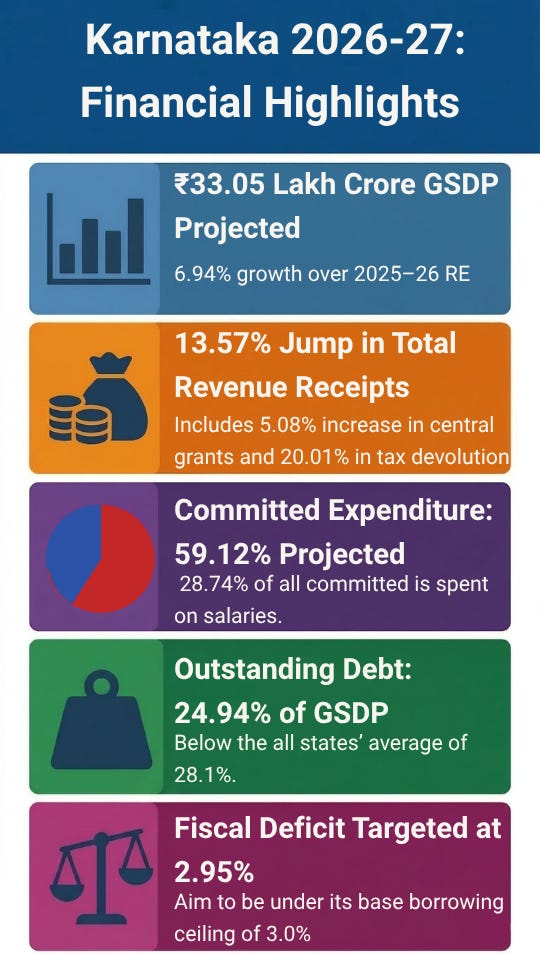
Image 1: Key Financial Highlights Revenue Deficit (RD): RD in 2026–27 is estimated at 0.69% of GSDP (₹ 22,956.95 crore), as compared to an RD of 0.82% of GSDP (₹ 25,449.45 crore) in 2025–26 RE.
Fiscal Deficit (FD): FD for 2026–27 is targeted at 2.95% of GSDP (₹ 97,448.53 crore) as compared to an FD of 2.95% of GSDP (₹ 91,261.21 crore) in 2025-26 RE.
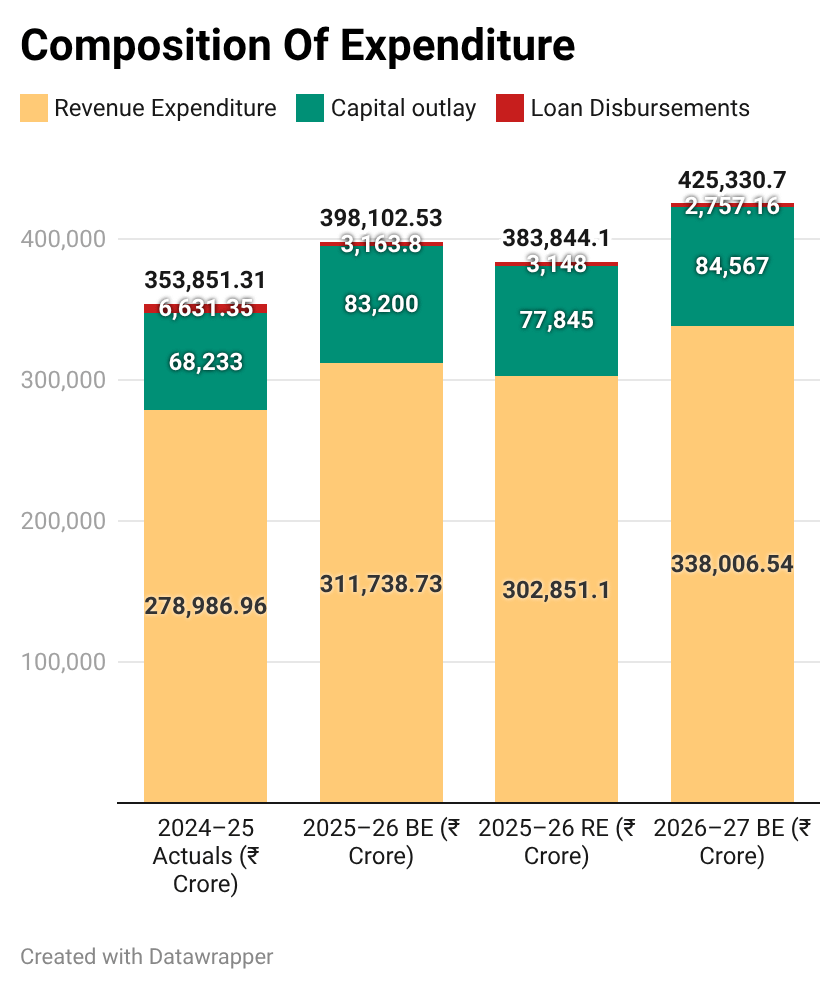
Expenditure: Expenditure (excluding debt repayment) in 2026–27 is estimated to be ₹ 4.25 lakh crore, an increase of about 10.68% over the revised estimates of 2025–26 (₹ 3.84 lakh crore). In addition, the public debt repayment of ₹ 35,316crore is estimated.
Receipts: Receipts (excluding borrowings) for 2026–27 are estimated to be ₹ 3,15,240 crore, an increase of about 13.57% as compared to the RE of 2025–26 (₹ 2,77,572 crore). This includes the increase in central grants and shares in central tax by 0% and 24.11% respectively.
II. Policy Highlights
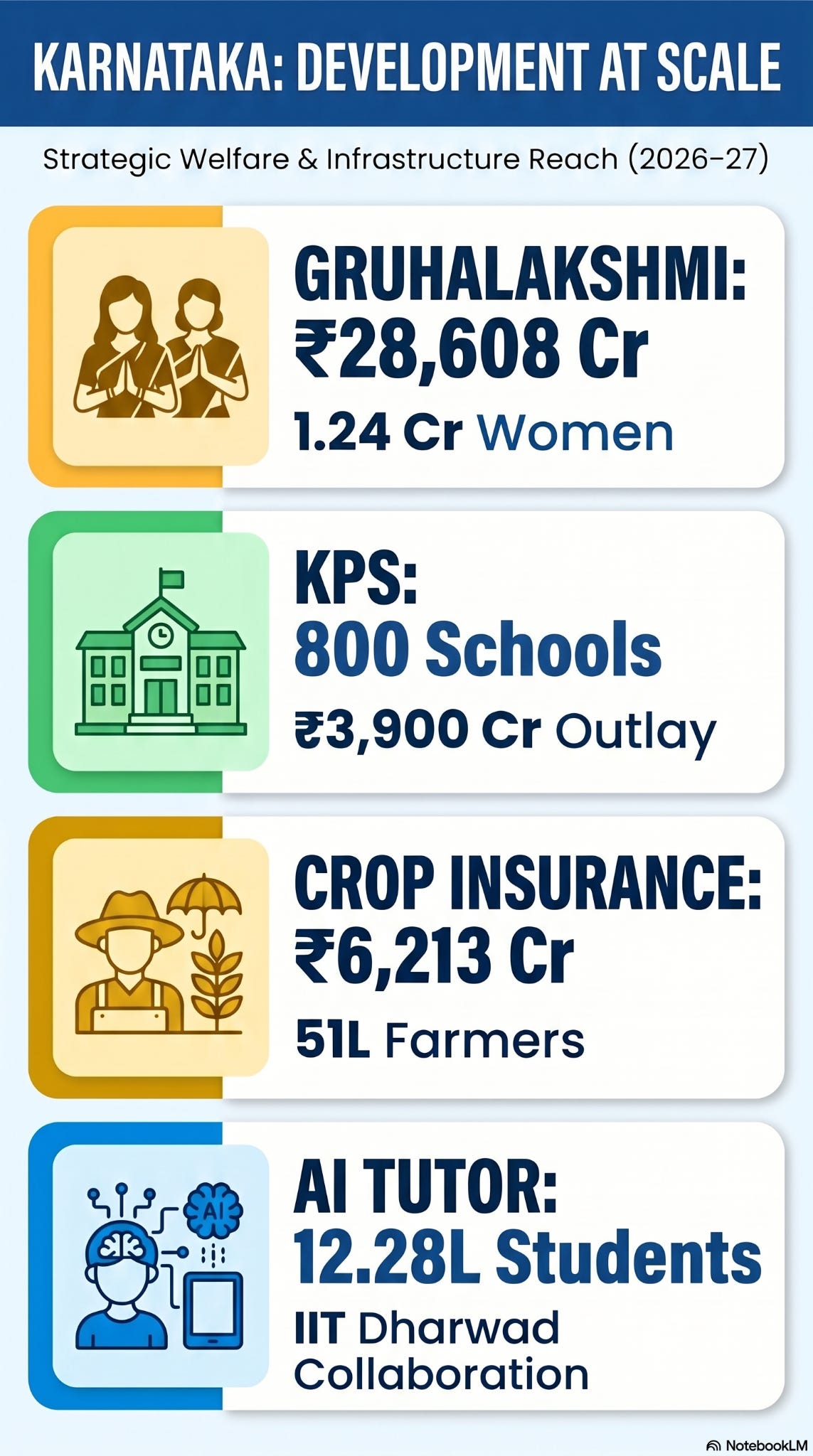
Gruhalakshmi Scheme: The flagship income support programme for women continues to be a central pillar of the State’s welfare strategy, providing direct financial assistance to enhance household income and consumption. An allocation of ₹ 28,608 crore has been made for 2026–27, with cumulative disbursements reaching ₹ 62,345 crore, benefiting 1.24 crore women across the State.
Karnataka Public Schools (KPS): To strengthen public education, 800 schools are being upgraded into integrated Karnataka Public Schools, offering quality education from primary to pre-university level under one roof. This initiative aims to improve access, infrastructure, and learning outcomes, with a total outlay of ₹ 3,900 crore over the next three years.
Chief Minister’s Krishi Vistara Scheme: A new scheme has been introduced to enhance farmer incomes by strengthening post-harvest activities such as processing, value addition, and market linkages. The programme will be implemented over the next three years with an outlay of ₹ 100 crore, focusing on building robust agricultural value chains.
Crop Insurance And Subsidy Support: The State continues to provide financial security to farmers through crop insurance, with claims worth ₹ 6,213 crore settled for over 51 lakh farmers. This support mechanism plays a critical role in mitigating risks arising from crop losses and climate variability.
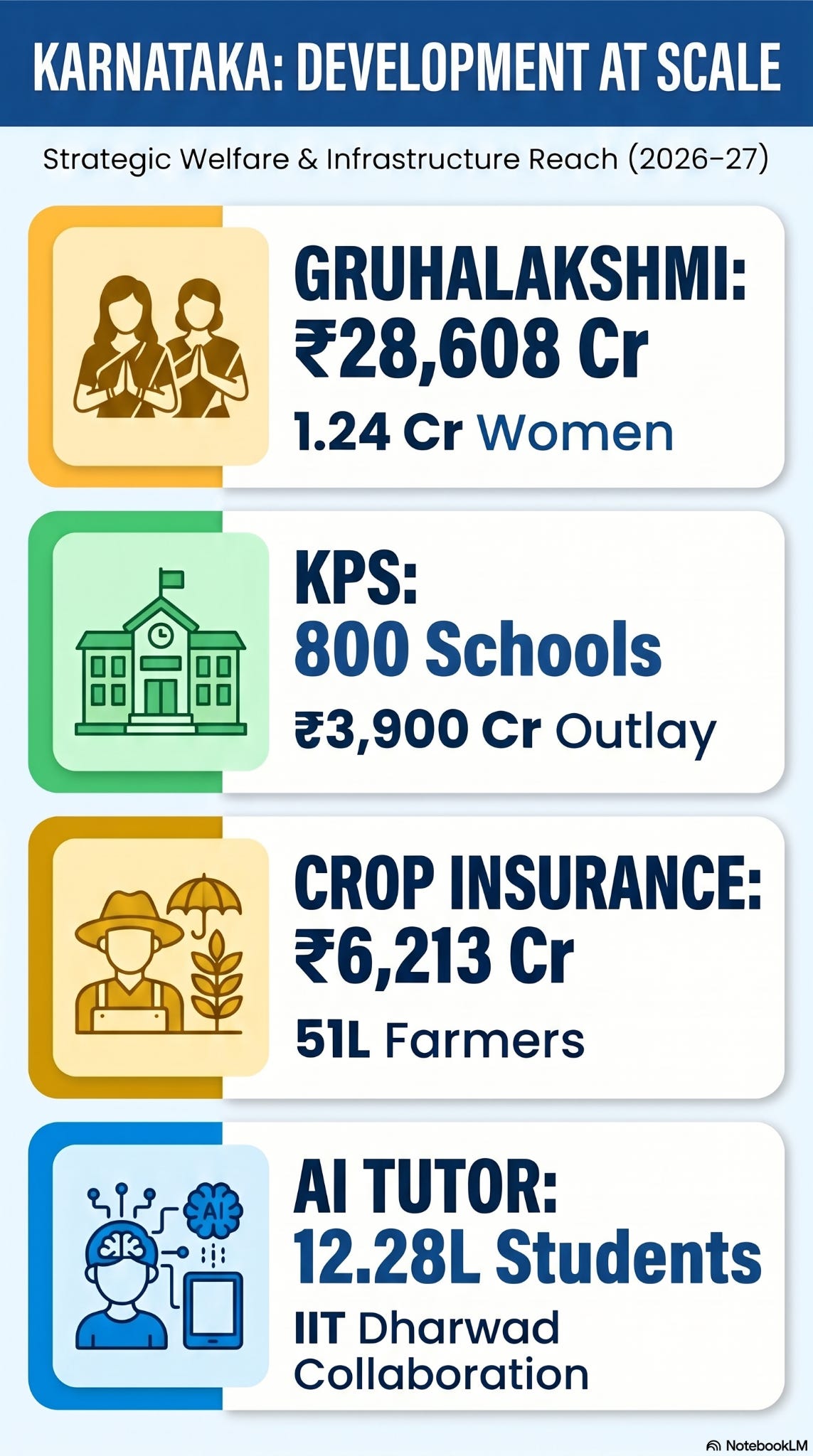
Image 2: Key Policy Highlights AI-Based Digital Tutor (with IIT Dharwad): In a move to integrate technology with education, a personalized AI-based digital tutor system will be introduced for approximately 12.28 lakh students from Classes 8 to 12. Implemented in collaboration with IIT Dharwad, the initiative aims to enhance learning outcomes at an estimated cost of ₹ 5 crore.
Digital Health Program (Samasta + Telemedicine): A comprehensive digital health initiative will be implemented to transform service delivery through digitization of health records, tele-radiology, and smart labour rooms across public health institutions, improving efficiency, accessibility, and quality of care.
Dialysis Expansion Programme: To strengthen critical healthcare services, dialysis centres across the State will be upgraded to deliver approximately 1.35 lakh dialysis services annually. An allocation of ₹ 20 crore has been made to expand capacity and improve access for patients requiring regular treatment.
III. Karnataka’s Economy
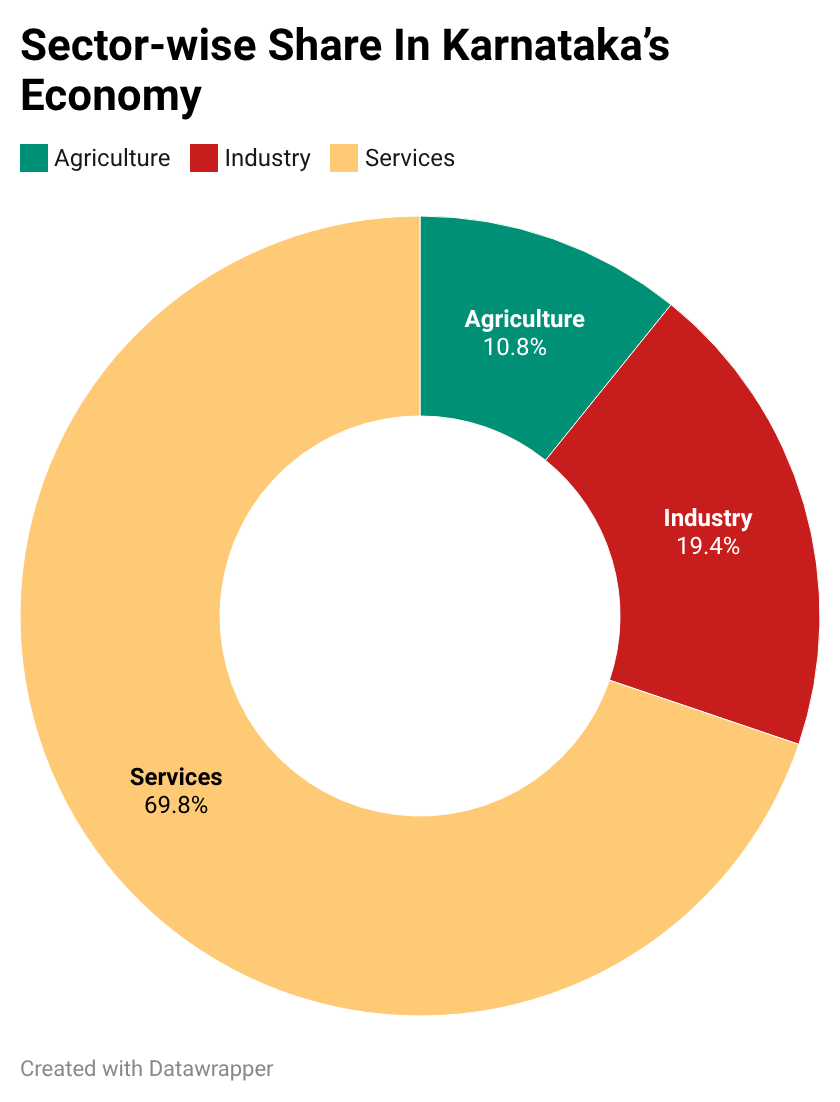
GSVA Contribution Of Sectors: In 2024–25, agriculture, Industries, and services sectors are estimated to contribute 10.8%, 19.4%, and 69.8% of Karnataka’s economy, respectively (at current prices).
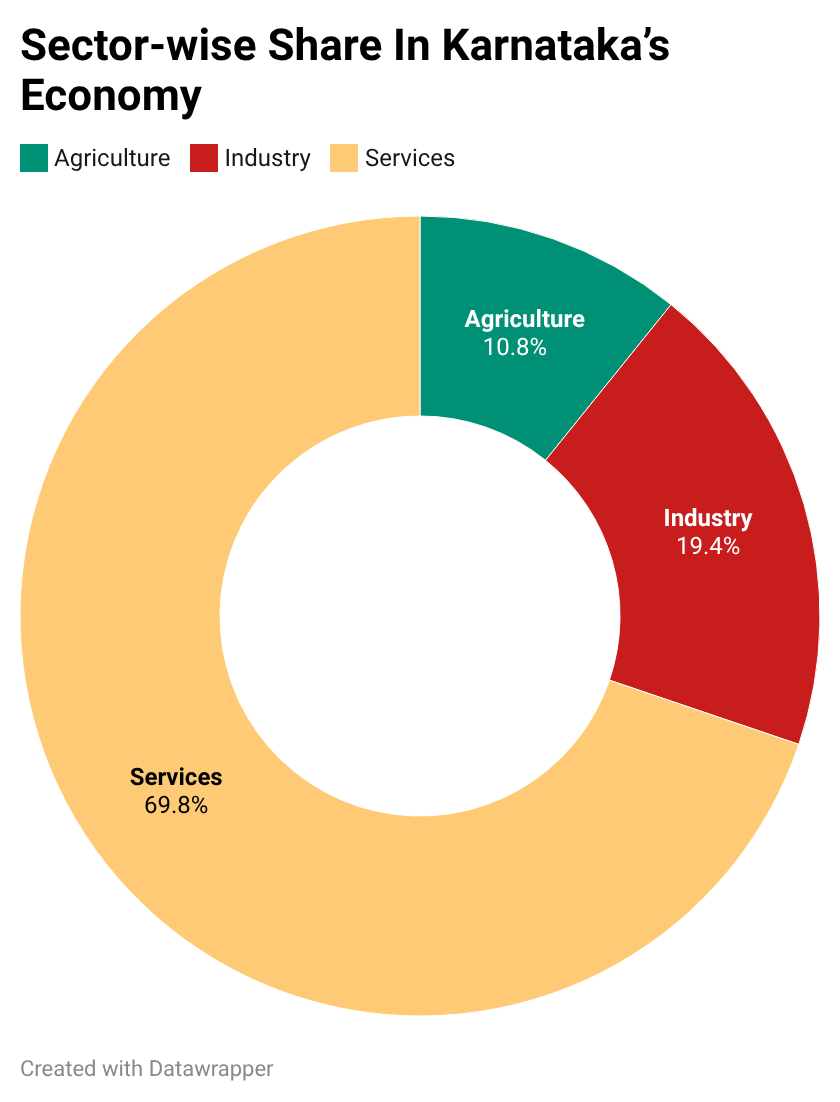
Image 3: Sector-wise Share In Karnataka’s Economy (2024–25, at Current Prices) 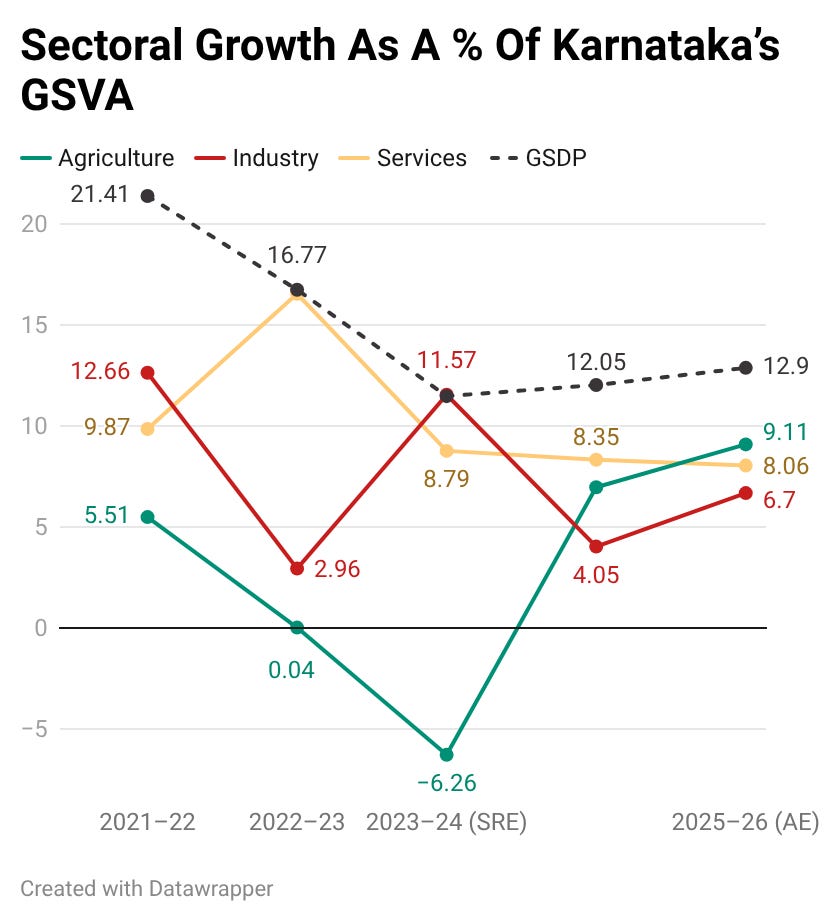
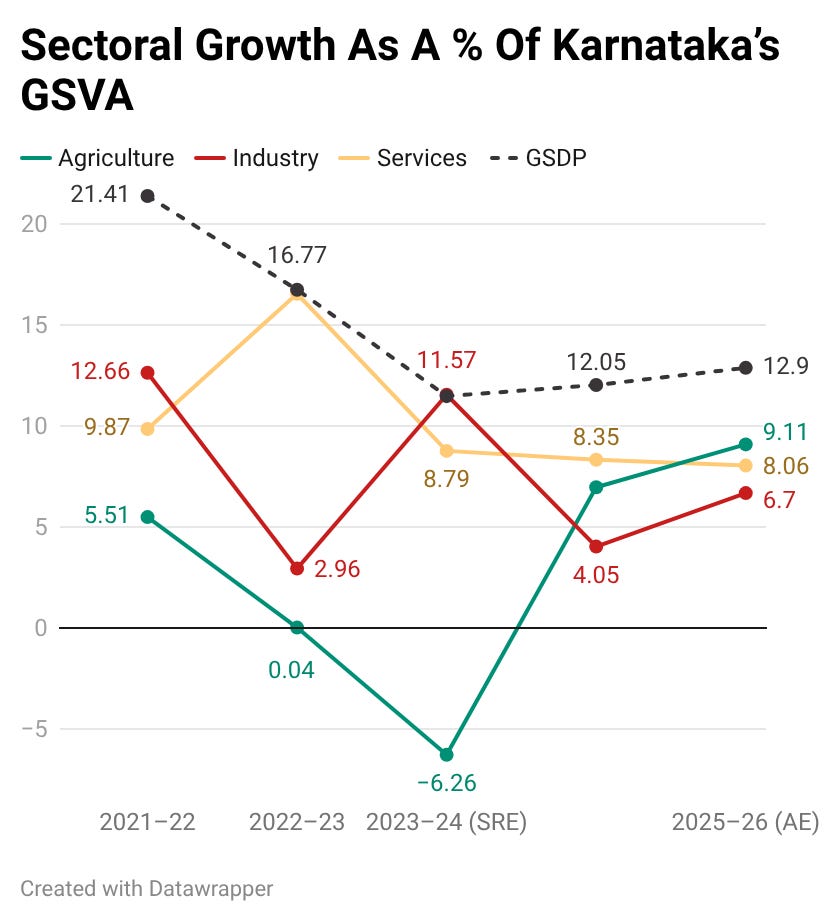
Image 4: Sectoral Growth In Karnataka’s GSVA At Constant Prices (2011-12)
IV. Expenditure
Revenue Expenditure: Revenue expenditure for 2026–27 is proposed to be ₹ 3.38 lakh crore, an increase of about 11.61% over the revised estimate of 2025–26 (₹ 3.03 lakh crore). This includes the expenditure on salaries, pensions, interest, grants, and subsidies.
Committed Expenditure:
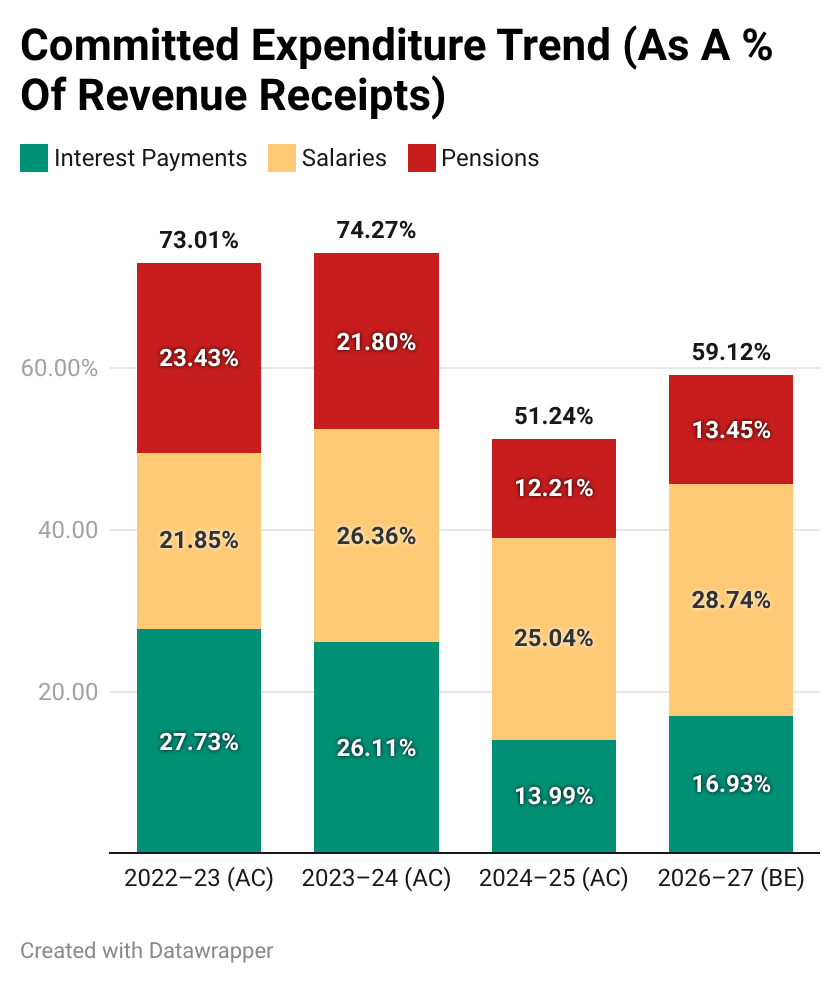
In 2026–27, Karnataka is estimated to spend ₹ 1.86 lakh crore on committed expenditure, which is 59.12% of its estimated revenue receipts of ₹ 3.15 lakh crore. In 2025-26, as per RE, 61.23% of revenue receipts were spent towards committed expenditure (₹ 1.69 lakh crore out of revenue receipts of ₹ 2.77 lakh crore).
This comprises spending on salaries (₹ 90,557 crore), pension (₹ 42,364crore), and interest payments (₹ 53,332crore). This high expenditure limits the state’s ability to reorient spending toward capital.
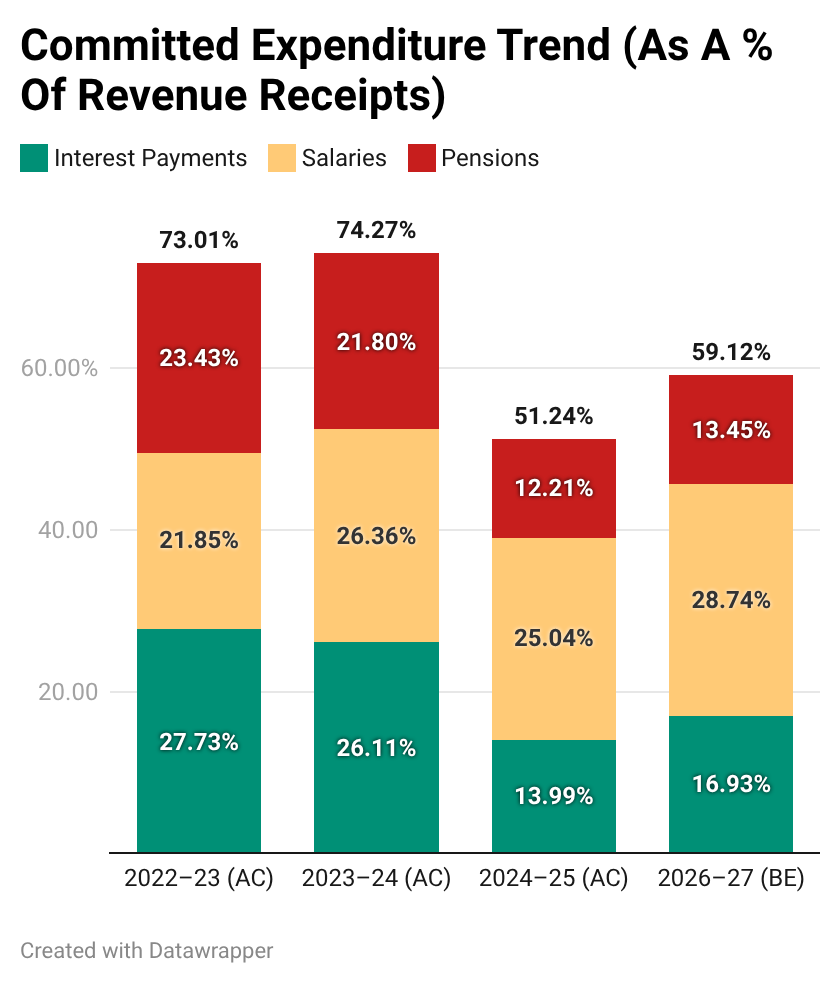
Image 5: Karnataka’s Committed Expenditure Trend As % Of Revenue Receipts Salaries remain the largest component of committed expenditure, increasing from ₹ 85,860 crore in 2025–26 (RE) to ₹ 90,557 crore in 2026–27, a rise of ₹ 4,697 crore (5.47%), indicating relatively stable growth.
Pension expenditure rises from ₹ 39,662 crore to ₹ 42,364 crore, an increase of ₹ 2,702 crore (6.81%), growing faster than salaries and reflecting an increasing burden of past liabilities.
Interest payments record the sharpest increase, rising from ₹ 45,600 crore to ₹ 53,332 crore, up by ₹ 7,732 crore (16.96%), highlighting rising debt servicing pressures and driving the overall growth in committed expenditure.
Capital Outlay: Capital outlay for 2026–27 is proposed to be ₹ 84,567 crore, an increase of about 8.64% over the revised estimate of 2025–26 (₹ 77,845 crore).
In 2026–27, capital outlay accounts for about 19.88% of the net expenditure (₹ 4.25 lakh crore) and around 2.56% of the GSDP (₹ 33.05 lakh crore). This is significantly lower than the national average capital outlay of about 3.0% of GSDP in the 2025–26 Budget Estimates.
In proportional terms, capital outlay remains moderate at 2.56% of GSDP and 19.88% of total expenditure, indicating that the increase is incremental rather than transformative. Despite the nominal rise, capital spending continues to remain below the national average of around 3% of GSDP, pointing to a relatively constrained emphasis on asset creation, particularly in the context of high committed expenditure pressures.
Loans And Advances: In 2026–27, loans and advances by the state are expected to be ₹ 2,757.16 crore, about 12.42% lower as compared to the revised estimate of 2025–26 (₹ 3,148 crore).
The reduction in loans and advances is primarily attributable to a 33.33% cut in allocations for Water Supply and Sanitation and a 10.11% decline in loans to the Iron and Steel sector from 2025–26 to 2026–27.
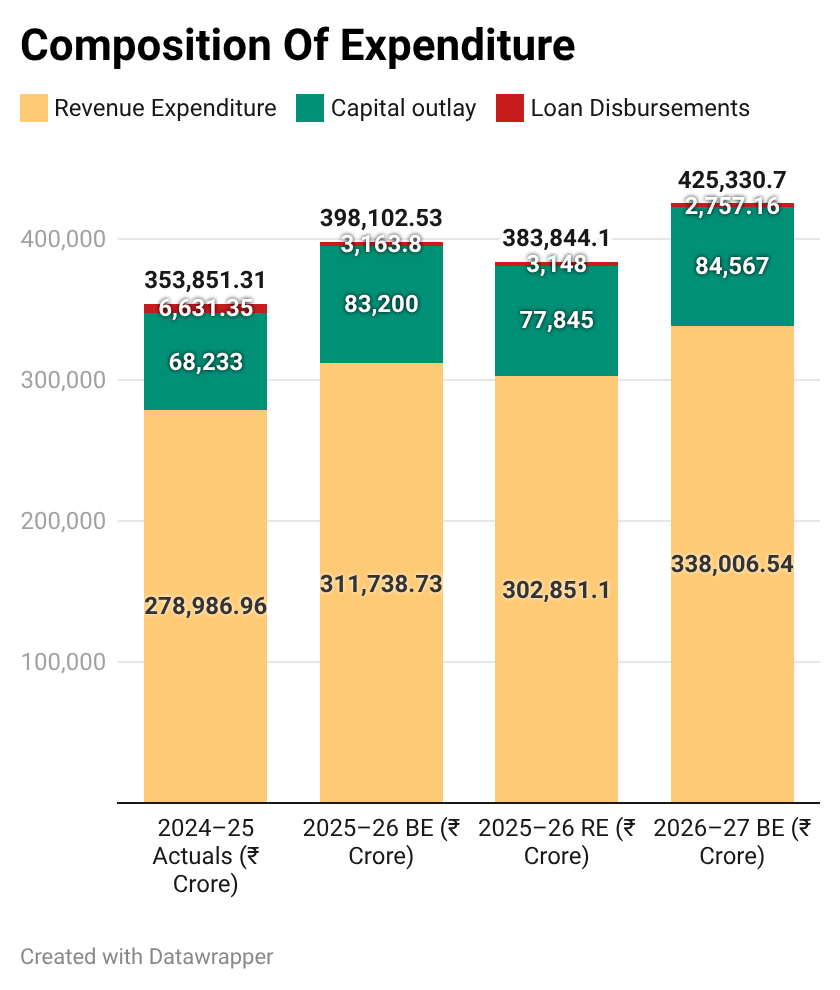
Image 6: Composition Of Karnataka’s Net Expenditure (in ₹ crore)
V. Revenue Receipt
Total Revenue Receipts:
Total revenue receipts for 2026–27 are estimated to be ₹ 3.15 lakh crore, an increase of about 13.57% over the revised estimate of 2025–26 (₹ 2.77 lakh crore). Of this, ₹ 2.36 lakh crore (about 74.91%) will be raised by the state through its own resources, and ₹ 79,050 crore (about 25.09%) will come from the centre.
Resources from the centre are the state’s share in central taxes (about 20.01% of revenue receipts) and grants-in-aid (about 5.08% of revenue receipts).
16th Finance Commission: In 2026–27, the state’s share in central taxes is estimated at ₹ 63,050 crore, an increase of about 24.11% over the revised estimate of 2025–26 (₹ 50,802 crore). The Union transfers have risen from 1.54% to 1.91% of GSDP underscoring an increasing fiscal reliance on central tax devolution.
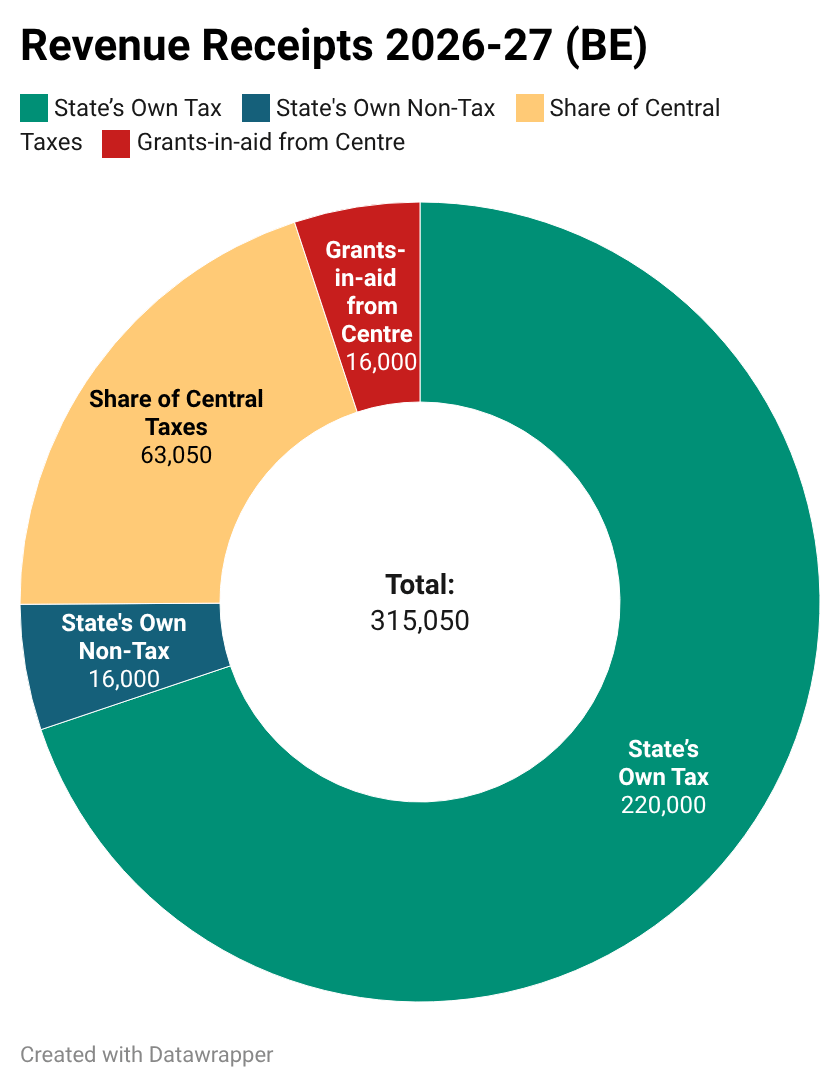
Image 7: Revenue Receipts (2026-27 BE) (in ₹ crore) Central Grants: Grants from the Centre are estimated at ₹ 16,000 crore in 2026–27, unchanged from the revised estimates for 2025–26, and 10.14% lower than the actual receipts of ₹ 17,623 crore in 2024–25.
State’s Own Tax Revenue: Karnataka’s total own tax revenue is estimated to be ₹ 2.20 lakh crore in 2026–27, an increase of about 13.93% over the revised estimate of 2025–26 (₹ 1.93 lakh crore). Own tax revenue as a percentage of GSDP is estimated at about 6.66% in 2026–27. As per the actual figures for 2024–25, own tax revenue as a percentage of GSDP was about 5.37%.
VI. Deficits And Debts
Revenue Deficit (RD): RD in 2026–27 is estimated to be ₹ 22,956.95 crore, as compared to a revenue deficit of ₹ 25,449.45 crore revised estimate stage in 2025–26.
The state is estimated to show an improvement in its fiscal position, with the revenue deficit declining from 0.82% of GSDP in 2025–26 to 0.69% in 2026–27, indicating a narrowing gap between revenue expenditure and revenue receipts and a move toward greater fiscal consolidation.
This projected improvement follows a phase of steady widening in the State’s revenue balance. The revenue position moved from a surplus of ₹ 13,495.79 crore (0.69% of GSDP) in 2022–23 to a deficit of ₹ 9,271.55 crore (0.36% of GSDP) in 2023–24, and widened further to 0.73% of GSDP in 2024–25, as reflected in Karnataka’s budget documents over successive years.
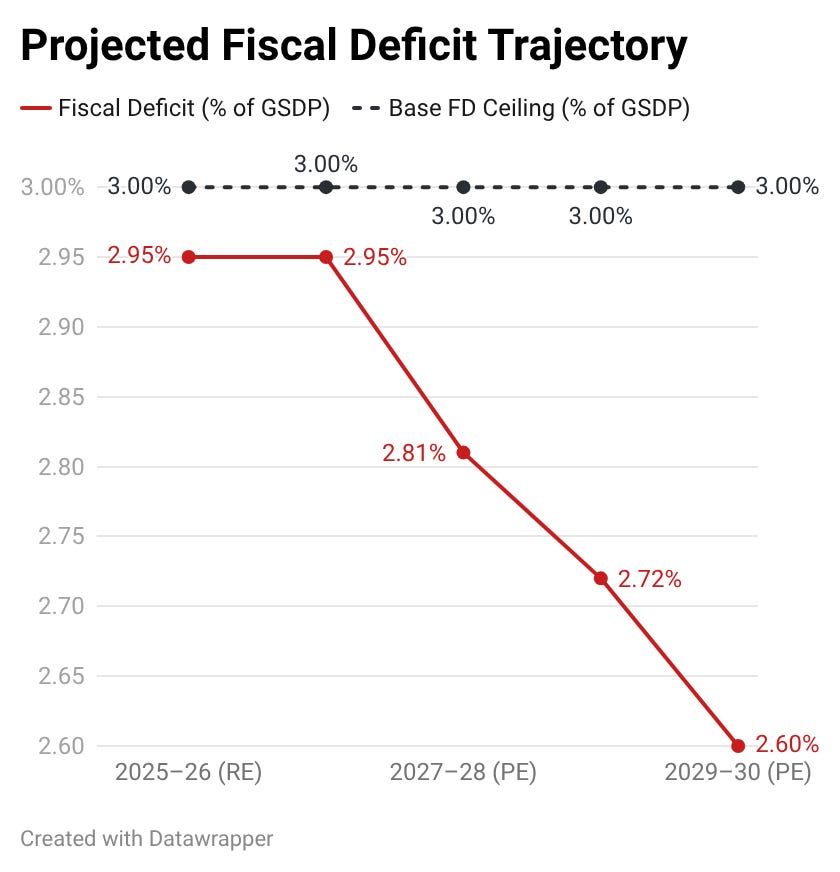
Under the Karnataka Fiscal Responsibility Act, 2003, the state’s base borrowing ceiling is 3.0% of GSDP. For 2026–27, an additional 0.5% relaxation has been permitted for power sector reforms, raising the operative ceiling to 3.5% of GSDP. Against this, the fiscal deficit of 2025–26 revised estimate is 2.95%.
Looking ahead, the fiscal deficit is projected to remain at 2.95% of GSDP in 2026–27, before gradually declining to 2.81% in 2027–28, 2.72% in 2028–29, and 2.60% in 2029–30. This indicates a steady path toward fiscal consolidation while staying within the 3% ceiling. However, the pace of reduction is gradual, suggesting that achieving these targets will depend on sustained revenue mobilisation and disciplined expenditure management, with limited room to absorb fiscal shocks without affecting the consolidation trajectory.
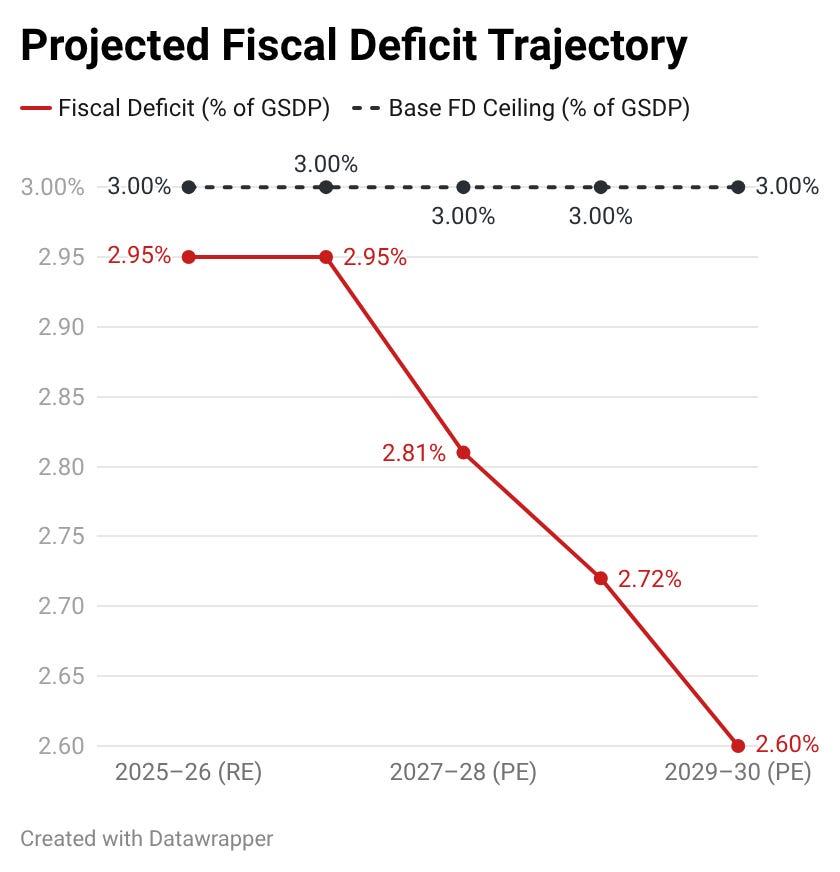
Image 8: Projected FD Trajectory With Respect To Karnataka’s Base FD Ceiling Primary Deficit (PD): PD for 2026–27 is estimated at ₹ 44,117 crore which is about 1.33% of GSDP. In 2025–26 (RE), the primary deficit was estimated at ₹ 45,660.97 crore which is about 1.48% of GSDP.
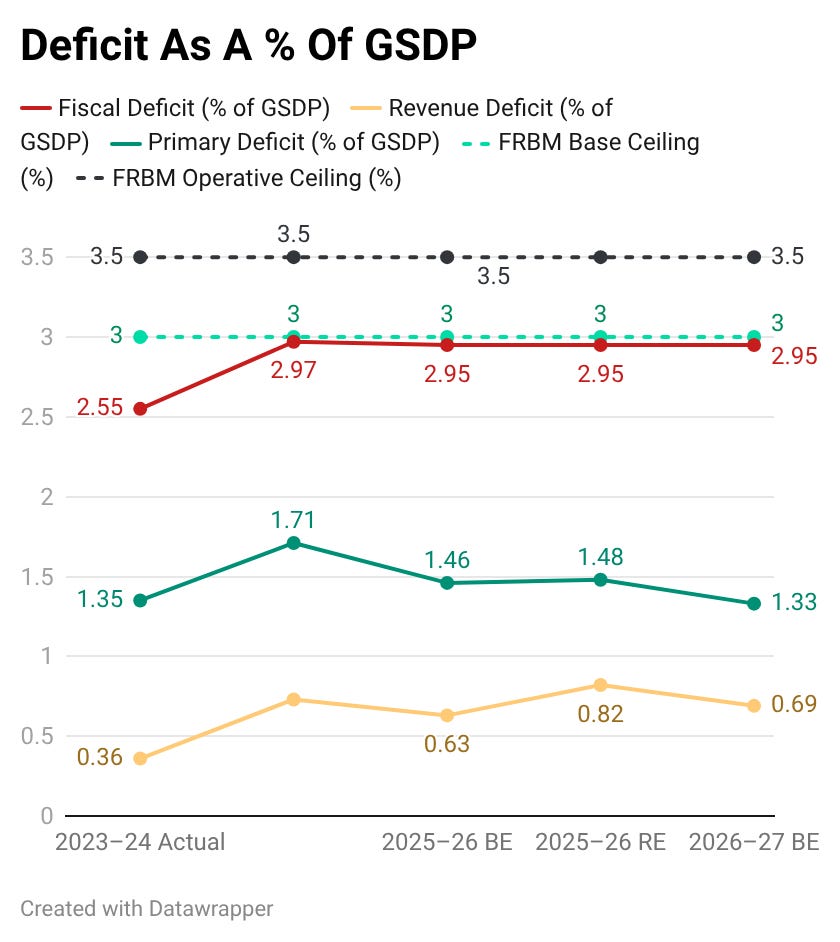
Image 9: Karnataka’s Deficits As A % Of GSDP Outstanding Debt: The outstanding debt of Karnataka in 2026–27, is projected at ₹ 8.24 lakh crore, equivalent to 24.94% of GSDP, which is slightly higher than the revised estimate of 23.34% of GSDP (₹ 7.72 lakh crore) in 2025–26.
VII. Regional Disparities in Karnataka
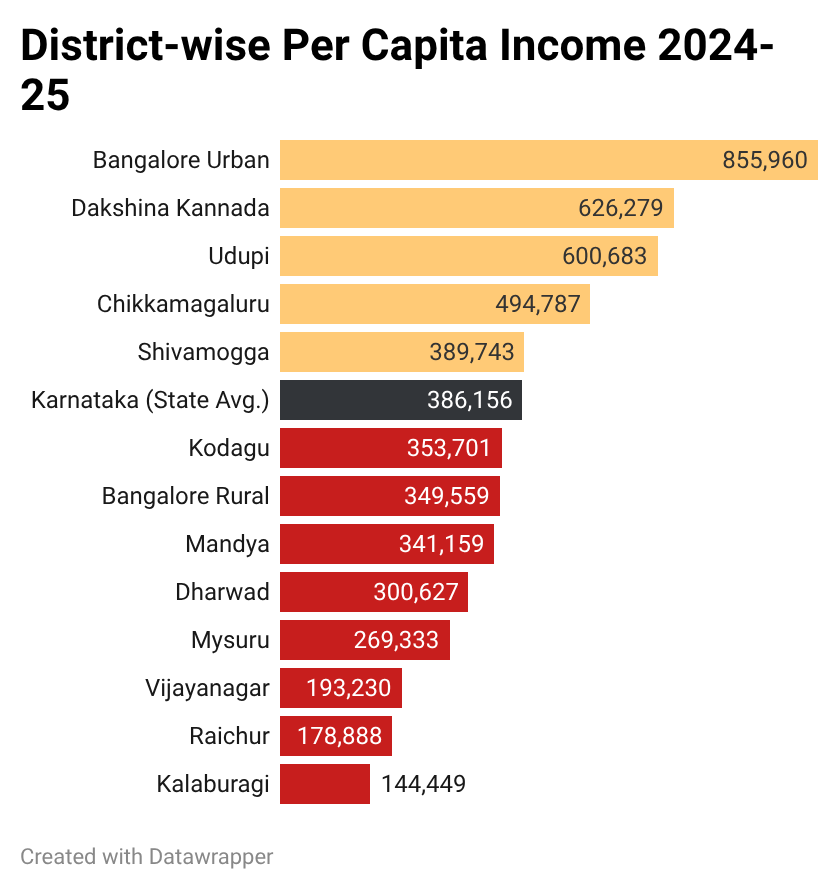
Economic activity in Karnataka is heavily skewed, out of 31 districts in Karnataka, only five districts have a per capita income above the state average, highlighting a high concentration of income in a few regions.
Despite high welfare spending through five flagship guarantee schemes, which is 13.78% of the revenue expenditure, and the Government’s claim of it uplifting 95% beneficiaries, the combined per capita income of the bottom five districts still fall short by ₹ 1 lakh as compared to Urban Bangalore’s per capita income.
With Bengaluru Urban contributing 40.4% of the State’s GDP, while the next largest contributors Dakshina Kannada (5.3%) and Belagavi (3.9%) account for a much smaller share, indicating a sharp regional imbalance in production.
Per capita income disparities are significant, with Bengaluru Urban (₹ 8.56 lakh) recording levels over 4.5 times higher than Kalaburgi division (₹ 1.90 lakh), highlighting stark differences in income generation capacity across regions.
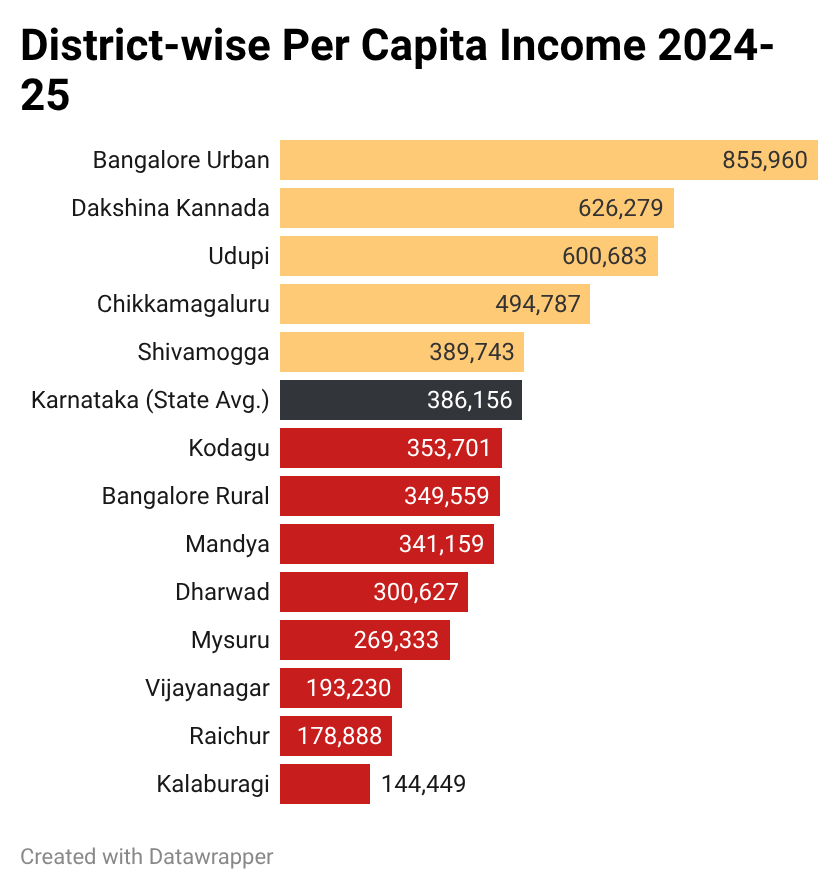
Image 10: District-wise Per Capita Income in Karnataka (2024–25, Current Prices in lakhs) Several districts and divisions, particularly Kalaburgi (₹ 1.90 lakh) and Belagavi (₹ 2.26 lakh), remain well below the State average per capita income, whereas districts such as Dakshina Kannada and Udupi significantly exceed it, indicating uneven distribution of economic prosperity.
High-income districts are largely driven by services-led growth, particularly IT and related sectors concentrated in and around Bengaluru, while lower-income regions remain dependent on agriculture and allied activities, which are relatively low-productivity and more volatile.
The divergence between urbanised, coastal, and southern regions versus northern and interior regions reflects structural imbalances in infrastructure, investment flows, and industrial development, reinforcing regional inequality over time.
Despite Karnataka’s strong macroeconomic performance, with per capita income at ₹ 4.33 lakh, around 97% higher than the national average, the benefits of growth remain unevenly distributed across regions. This highlights the need for targeted policy interventions focused on regional industrialisation, infrastructure development, and diversification of local economies to achieve more balanced and inclusive growth.
VIII. Loss Making Public Sector Enterprises and Their Impact on Fiscal Sustainability
Karnataka’s state Public Sector Enterprises (SPSEs) reflect structural weaknesses that limit their contribution to the state’s fiscal capacity. The turnover of SPSEs in Karnataka is estimated at around 4.1% of GSDP, which is lower than the all-state average of 5.7%, indicating a relatively smaller economic footprint of public enterprises in the state.
The financial performance of these enterprises remains a key concern. In 2022–23, total losses of SPSEs (₹ 7,450 crore) exceeded total profits (₹ 3,132 crore), pointing to persistent inefficiencies and weak commercial viability. This loss-making structure constrains the state’s ability to mobilise non-tax revenue through dividends, thereby limiting an important source of fiscal resources.
The relatively low turnover ratio, combined with negative net returns, also suggests sub-optimal utilisation of public capital, reducing the overall efficiency of state-led investments. At the same time, continued losses imply potential fiscal risks through budgetary support, guarantees, and contingent liabilities, which may exert additional pressure on the state’s finances.
Annexure I
Annexure II
Annexure III
Annexure IV -
Also, please consider subscribing to NFPRC Foundation’s focused centres covering latest economic, policy and administrative developments -
Centre for Law, Policy and Governance - Link
Centre for Accelerating India’s Growth - Link
Centre for Studies in Indian Social Systems - Link
NFPRC Foundation - Link