
On 10th June 2026, the Union Cabinet, chaired by Prime Minister Shri Narendra Modi Ji, passed a resolution marking the day as a historic milestone in India’s democratic journey and applauded the Prime Minister for becoming the longest-serving elected Prime Minister of the country. The Cabinet further approved major infrastructure projects comprising:
Phase 2(A) of the Ahmedabad Metro Rail Project connecting Koteshwar Road to the Sardar Vallabhbhai Patel International Airport, and
The construction of the Central Government office and residential complexes at Amaravati, Andhra Pradesh.
The decisions aim to strengthen urban mobility, improve airport connectivity in Ahmedabad, enhance administrative efficiency, and support the planned development of Amaravati, advancing the vision of Viksit Bharat @2047.
I. Extension of Ahmedabad Metro Rail Project – Phase 2(A)
The Cabinet approved Phase 2(A) of the Ahmedabad Metro Rail Project, comprising a 6.032 km corridor connecting Koteshwar Road with the Sardar Vallabhbhai Patel International Airport at an estimated completion cost of ₹2,169.04 crore.
The project will comprise five stations and, upon completion, will expand the operational Ahmedabad-Gandhinagar Metro Rail network to 77.63 km.
Construction is expected to generate employment for around 2,500 persons, and the corridor is timed to serve as a key transit link for the World Police Games 2029 and the Commonwealth Games 2030 to be hosted in Ahmedabad.
The project is expected to improve connectivity between major residential and commercial areas and facilitate seamless integration with other modes of transport, thereby contributing to sustainable urban mobility in the region.
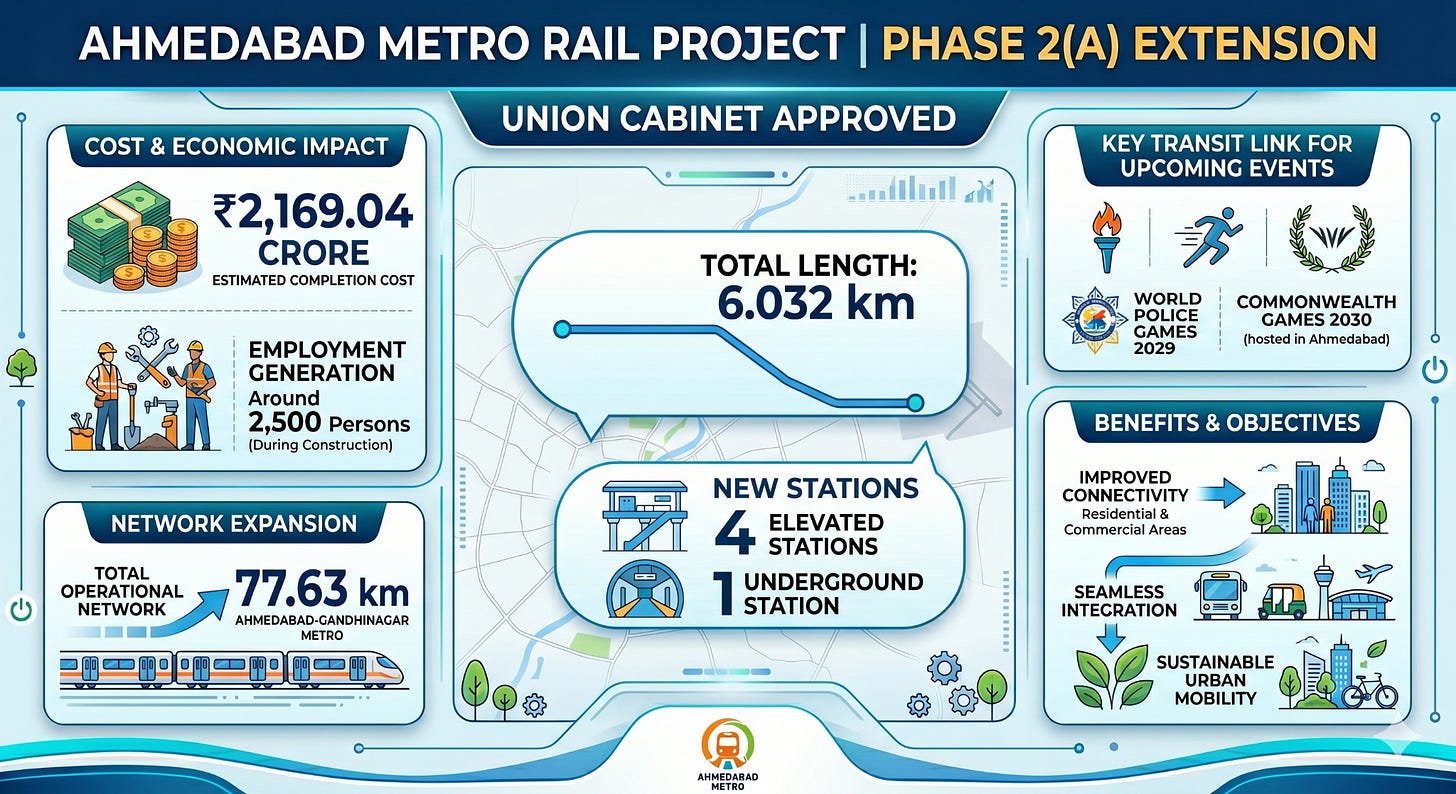
Image 1: Details of Phase 2(A) Extension
II. Central Government General Pool Office Accommodation at Amaravati
The Cabinet approved the construction of a Central Government General Pool Office Accommodation (CGGPOA) complex at Amaravati, Andhra Pradesh, at a cost of ₹1,299.08 crore. The complex will consolidate Central Government ministries and Public Sector Undertakings currently operating from Vijayawada and Guntur into dedicated office space in the new state capital.
The office complex will be developed on a 5.53-acre campus with a built-up area of 23.25 lakh sq ft. The facility is designed to accommodate approximately 8,000 officials and staff members. The project provides podium parking for about 1,800 Equivalent Car Spaces (ECS) and will consolidate all Central Government offices under one roof.
The project will be designed and constructed in accordance with the highest green building standards prevalent in the country and aims to achieve a minimum GRIHA 4-Star Rating while complying with the Energy Conservation and Sustainable Building Code (ECSBC), 2024.
The campus will be equipped with essential civic and community amenities, including banking facilities, a post office, crèche, recreation room, conference hall, multipurpose hall and canteens. It will also incorporate a barrier-free built environment to ensure accessibility, safety and convenience for Divyangjan.
The project is expected to generate substantial direct and indirect employment opportunities. Employment generation during the construction phase is estimated at around 7 lakh man-days per annum, while the operational phase is expected to generate approximately 50,000 man-days per annum.
III. General Pool Residential Accommodation at Amaravati
The Cabinet Committee on Economic Affairs also approved the construction of the General Pool Residential Accommodation (GPRA) at the New Capital City, Amaravati, Andhra Pradesh.
The project aims to provide adequate residential accommodation to Central Government employees and to facilitate efficient government functioning by enabling staff to reside in proximity to their workplaces. It is also intended to enhance employee morale, promote integrity and contribute to their overall well-being.
The GPRA campus will be developed over an area of 17 acres and will comprise 11 residential towers with a total of 1,504 dwelling units ranging from Type II to Type VI, including refuge areas.
The project will provide basement parking facilities accommodating 1,972 Equivalent Car Spaces (ECS) and will have a total built-up area of 31.30 lakh square feet (2,90,762 sq. m.).
The residential complex will be planned and designed in accordance with prevailing green building standards in the country, with emphasis on sustainable site planning, energy efficiency, water conservation and improved occupant health and comfort.
The campus will incorporate a barrier-free built environment and provide various community facilities and amenities for residents. The project is also expected to generate substantial direct and indirect employment opportunities.
The Cabinet decisions of 10 June 2026 reflect a broader policy emphasis on combining infrastructure expansion with long-term state capacity creation. Together, the approved projects represent an investment commitment of over ₹3,468 crore, spanning urban transport connectivity, administrative infrastructure and planned urban development. The Ahmedabad Metro Phase 2(A) extension will add 6.03 km to the network, taking the Ahmedabad-Gandhinagar Metro system to 77.63 km while strengthening airport connectivity and supporting the city's preparations for major international events in 2029 and 2030. At the same time, the Amaravati projects seek to create the institutional backbone of Andhra Pradesh's capital by consolidating Central Government offices, accommodating around 8,000 officials, and providing 1,504 residential units for government employees.
Also, please consider subscribing to NFPRC Foundation’s focused centres covering latest economic, policy and administrative developments -
Centre for Law, Policy and Governance - Link
Centre for Accelerating India’s Growth - Link
Centre for Studies in Indian Social Systems - Link
NFPRC Foundation - Link