
Welcome to the latest edition of States in Motion, where we track major policy, governance, and economic developments across India’s states!
This fortnight, we examine a range of significant initiatives, including Madhya Pradesh’s labour law consolidation reforms, Karnataka’s long-term economic vision for the Bengaluru region, West Bengal’s expansion of its flagship women’s cash transfer programme, Maharashtra’s new Artificial Intelligence Policy, and Odisha’s efforts to deliver 24/7 urban water supply. Here we bring you the latest developments in detail.
I. Madhya Pradesh: Code On Empowering Workspaces, 2026
Source: Click Here
The Development: The Government of Madhya Pradesh has notified the Madhya Pradesh Code on Empowering Work Spaces, 2026, consolidating five state labour laws into a single framework. It introduces a one-time lifetime registration system, a Unique Establishment Number, and decriminalisation of minor procedural violations.
Key Takeaway: E-Shram registrations in Madhya Pradesh reached 1.92 crore as of January 2026, up from 1.73 crore in 2023, reflecting sustained informalisation. The Code seeks to respond to this shift through a unified labour framework that expands social protection to gig workers, platform workers and unorganised labour. The code also simplifies compliance and removes a long standing structural barrier by permitting women to work night shifts subject to mandatory transport, safety, infrastructure, and consent provisions.
II. West Bengal: Doubling Women’s Cash Transfers Under Annapurna Bhandar
Source: Click Here
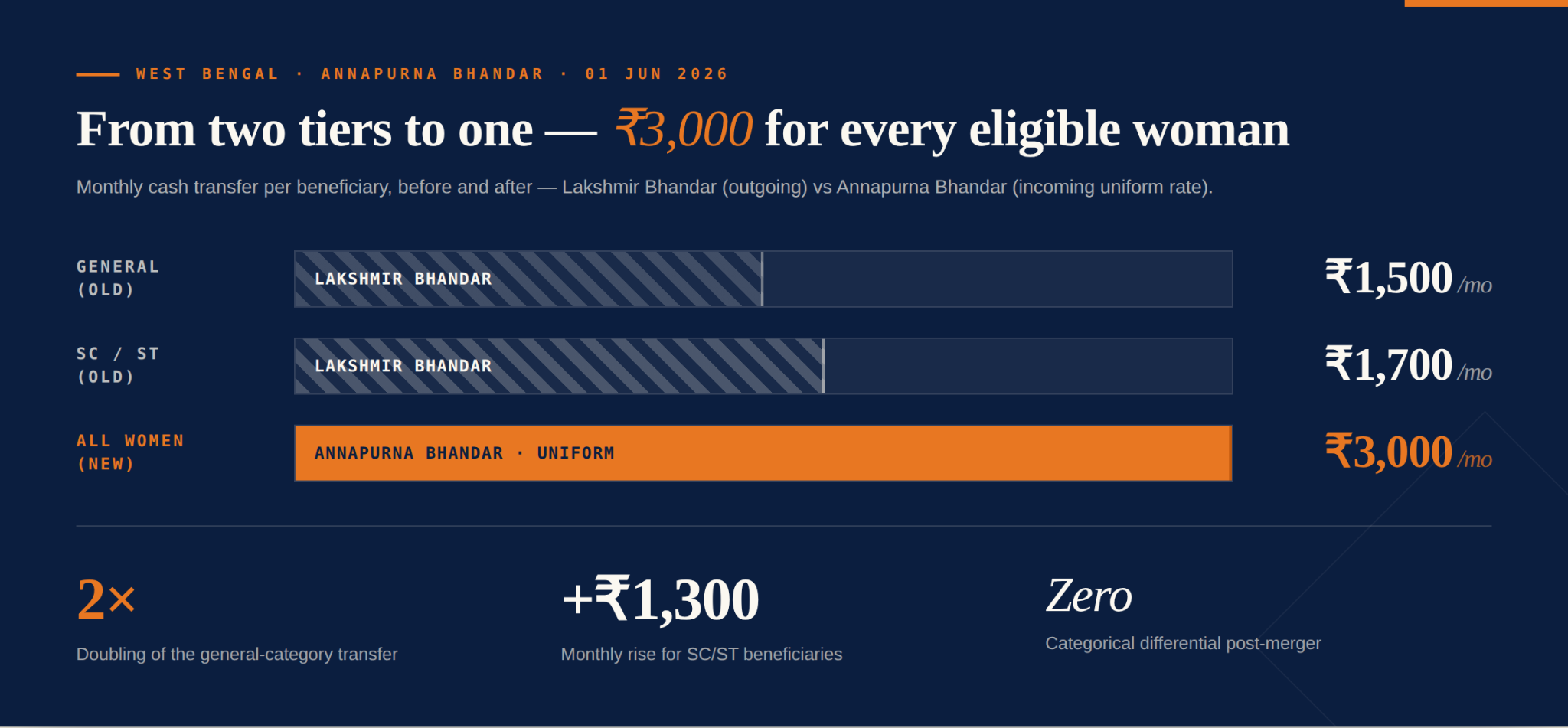
The Development: The West Bengal Government has announced the Annapurna Bhandar scheme, replacing the Lakshmir Bhandar scheme and doubling monthly cash transfers to a uniform ₹ 3,000 for all eligible adult women, up from ₹ 1,500 for general category and ₹ 1,700 for SC/ST households. The statewide disbursement commences 1st June, 2026, with existing Lakshmir Bhandar beneficiaries migrating automatically through the existing DBT and beneficiary database.
Key Takeaway: The rollout of the scheme marks the fulfilment of a major electoral promise by the newly elected Government, with the shift to a uniform ₹ 3,000 transfer eliminating the earlier category-based differential, and recasting the programme into a near-universal women’s basic income instrument.
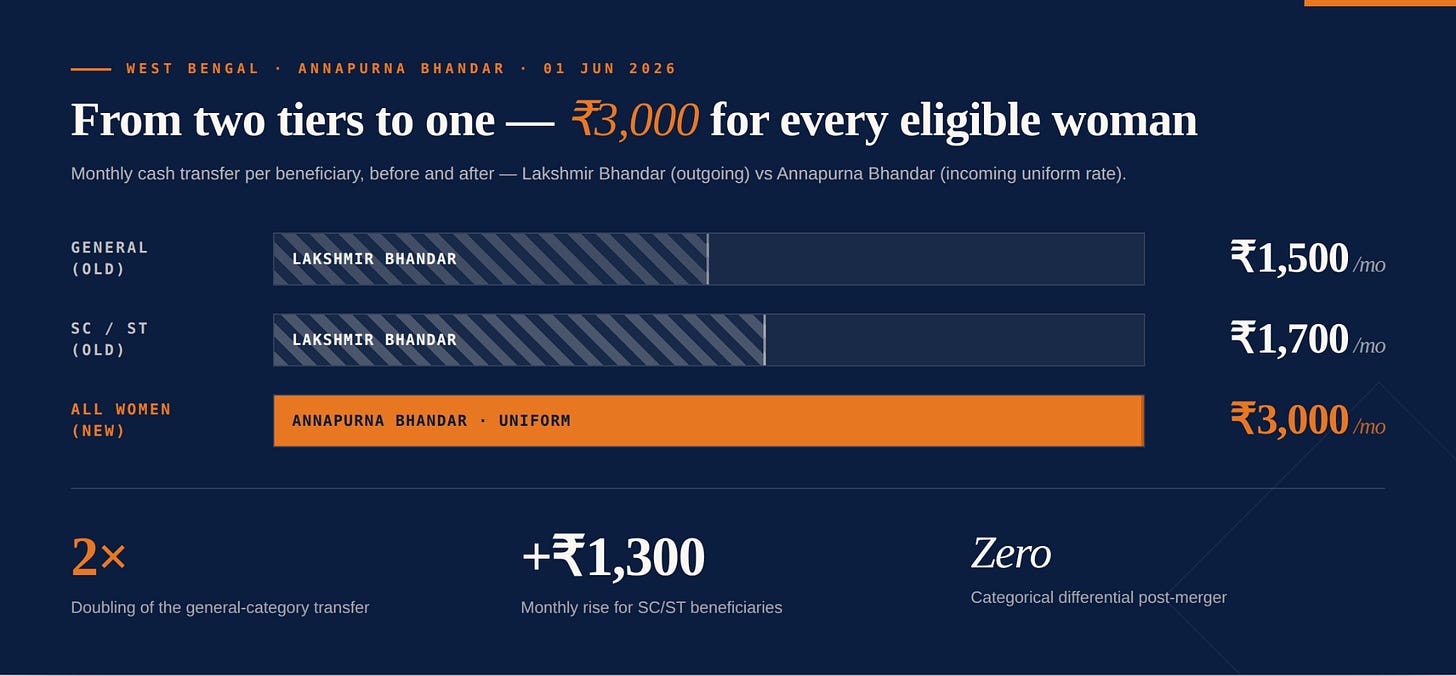
Image 1: Category-wise Disbursement Under Annapurna Bhandar Scheme
III. Himachal Pradesh: Juvenile Justice (Care And Protection Of Children) Rules, 2026
Source: Click Here
The Development: The Himachal Pradesh Government has notified the Himachal Pradesh Juvenile Justice (Care and Protection of Children) Rules, 2026. The Rules operationalise key provisions of the Juvenile Justice (Care and Protection of Children) Act, 2015, including the requirement that police maintain records of petty and serious juvenile offences through Daily Diary Reports (DDRs).
Key Takeaway: The Rules strengthen the shift towards a child-friendly and rehabilitation-focused juvenile justice system. They introduce stricter timelines and strengthen specialised institutions such as Juvenile Justice Boards, Child Welfare Committees, and Child Care Institutions to ensure faster, more child-sensitive justice. This is of crucial importance for Himachal Pradesh where Juvenile Justice Boards carried a workload of 1,280 cases and could dispose of only 550, leaving a pendency rate of around 57%, marginally above the national average of 55%.
IV. Delhi: Enforcing A Time-Bound Digital Challan Recovery Framework
Source: Click Here
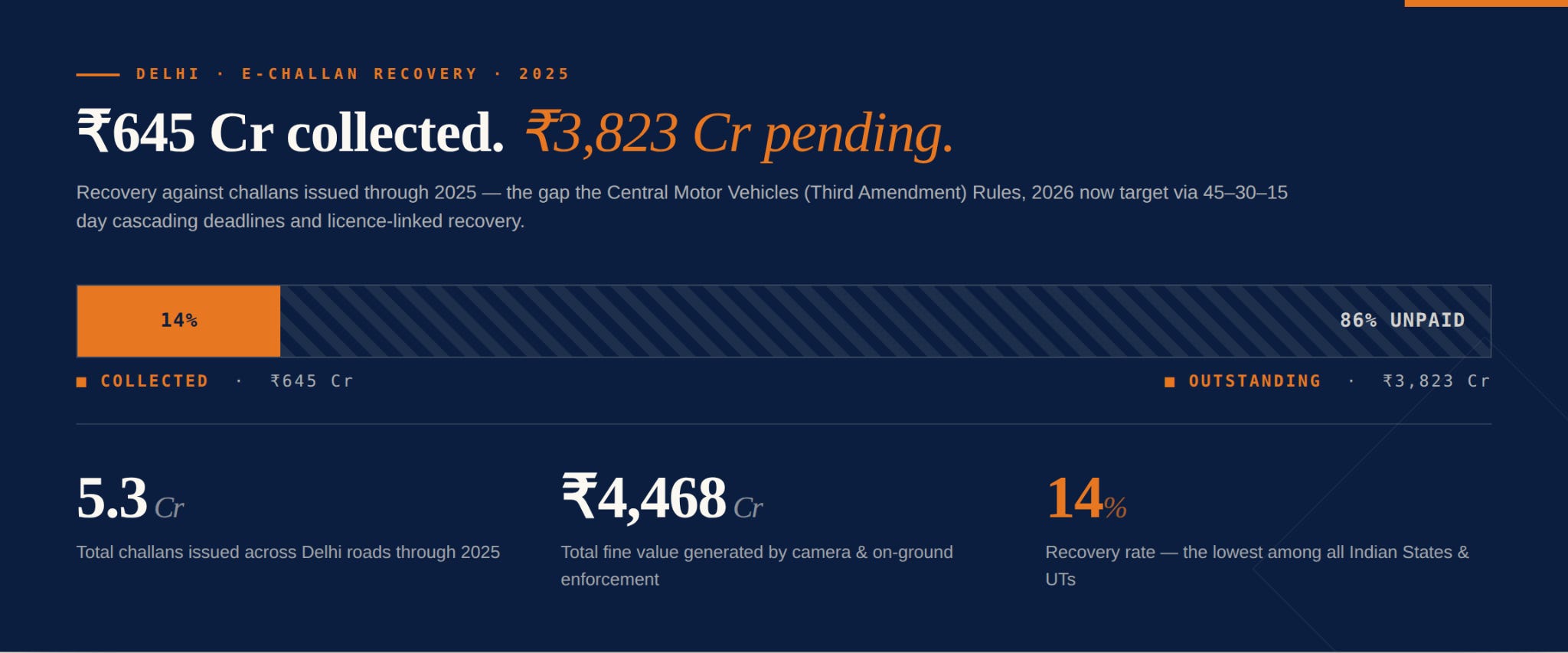
The Development: The Delhi Government has launched a modernised traffic enforcement framework operationalising the Central Motor Vehicles (Third Amendment) Rules, 2026, introducing structured deadlines for challan payment and dispute resolution. Violators receive a 45-day window to pay or challenge a fine, with cascading 30-day and 15-day periods thereafter.
Key Takeaway: Delhi’s e-challan recovery rate stands at just 14%, the lowest among all states and UTs, with only ₹ 645 crore collected against ₹ 4,468 crore issued across 5.3 crore challans through 2025. By linking unpaid fines to licence renewals and Registration Certificates transfers, the framework makes it easier to recover dues that earlier went unpaid despite camera-based detection of violations.
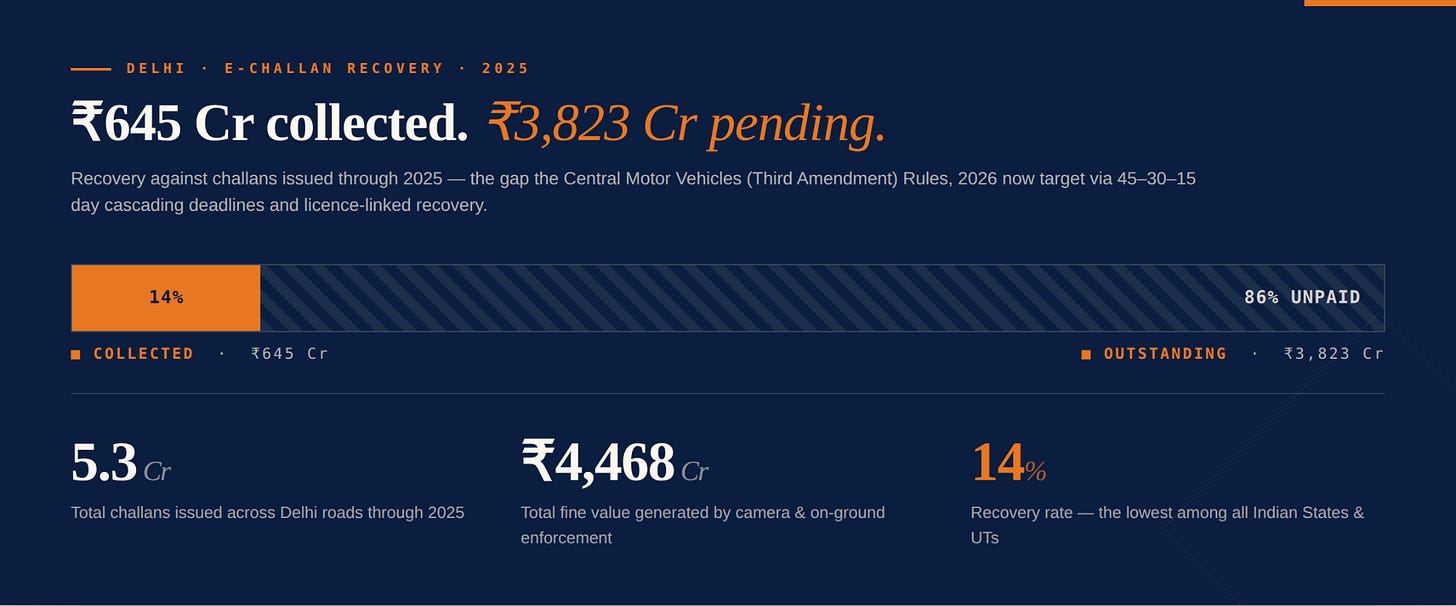
Image 2: Delhi’s Digital Enforcement And Traffic Fine Recovery Strategy
V. Maharashtra: Securing Tech Leadership And Job Creation Through Artificial Intelligence (AI) Policy, 2026
Source: Click Here
The Development: The Maharashtra Cabinet has approved the Maharashtra AI Policy, 2026. Anchored on seven developmental pillars, the state will establish a 2,000 Graphics Processing Units (GPU) computational capacity under a compute as a service model, creates a dedicated ₹ 500 crore venture capital fund, and targets over ₹ 10,000 crore in investments by 2031.
Key Takeaway: Despite generating 15% of GDP, Maharashtra has experienced technological competition from neighboring southern hubs that host a higher density of tech startups. Aggressive tax incentives, specialised language dataset exchanges, and heavy power subsidies for data farms aim to draw global developers to Navi Mumbai while systematically upskilling 2 lakh professionals to feed local digital roles.
VI. Haryana: Revised Land Pooling Policy
Source: Click Here
The Development: The Haryana Government has approved revisions to its land pooling policy to support urban and industrial expansion across 1.67 lakh acres. The policy covers the development of new residential, commercial and industrial sectors, particularly in high demand regions like Gurugram and the Pataudi-Farukhnagar belt, while mandating modern infrastructure and green amenities.
Key Takeaway: The policy shifts Haryana’s urban expansion model from compulsory acquisition under the Right to Fair Compensation and Transparency in Land Acquisition, Rehabilitation and Resettlement (LARR) Act, 2013 towards a participatory land pooling framework. By granting transferable Land Rights Certificates and funding infrastructure through monetisation of the state’s residual land share, the model seeks to reduce litigation and fiscal stress while improving housing supply in regions like Gurugram, where residential prices rose 24% year-on-year to nearly ₹ 8,900 per sq. ft. in Quarter 3 of 2025.
VII. Karnataka: Economic Masterplan For Unifying Governance and Innovative Financing
Source: Click Here
The Development: The Government of Karnataka has signed a Statement of Intent (SOI) with the ISEG Foundation to formulate a comprehensive economic masterplan for the Bengaluru Metropolitan Region (BMR) stretching up to 2037. The planning blueprint focuses on growth strategies across key technology, biotech, and manufacturing clusters, supported by sector-specific implementations and innovative financing frameworks.
Key Takeaway: Bengaluru’s urban management is heavily fragmented across multiple civic entities operating with overlapping mandates. This masterplan aims to drive institutional governance convergence to eliminate execution delays, while introducing municipal bonds and public-private partnerships (PPPs) to bridge the severe deficit between limited annual budget allocations and the state’s massive ₹ 1 lakh crore infrastructure pipeline.
VIII. Odisha: Establishing Universal 24/7 Urban Water Supply Through The SUJALA Programme
Source: Click Here
The Development: The Odisha Government has launched the SUJALA programme to deliver round-the-clock drinking water across all 86 Urban Local Bodies (ULBs) by 2028, covering a projected 31.5 lakh urban residents. The programme covers source augmentation, network strengthening, and storage upgrades, while mandating identification of alternative sources for non-potable uses to conserve treated supply.
Key Takeaway: Odisha’s current urban supply capacity stands at 452 Million Liters per Day (MLD) against the needs of 31.5 lakh residents across 86 ULBs. In intermittent-supply cities, adult women in affected households spend an estimated 20–30 minutes daily managing water access. Universal 24/7 supply across Odisha’s approximately seven lakh urban households could unlock an estimated 10–13 crore person-hours annually, in addition to augmenting water supply in the state.
If you are interested to read the full edition of the newsletter please click here:
Also, please consider subscribing to NFPRC Foundation’s focused centres covering latest economic, policy and administrative developments -
Centre for Law, Policy and Governance - Link
Centre for Accelerating India’s Growth - Link
Centre for Studies in Indian Social Systems - Link
NFPRC Foundation - Link