
Welcome to the latest edition of States in Motion, where we track key policy, governance, and economic developments shaping India’s states.
This edition covers a diverse set of reforms and investments, including Haryana’s new industrial policy, Assam’s proposed Uniform Civil Code Bill, Odisha’s major semiconductor substrate manufacturing investment, Rajasthan’s industrial development strategy, and Bihar’s ambitious land records modernisation programme. Together, these initiatives reflect how states are increasingly driving growth, improving governance, and enhancing service delivery through targeted policy interventions.
I. Karnataka: Alcohol In Beverage (AiB) Excise Policy, 2026
Source: Karnataka AiB Excise Policy, 2026.
The Development: Karnataka has introduced a new Alcohol-in-Beverage (AiB) taxation policy, replacing the traditional bulk litre-based excise regime with an alcohol-content-based taxation system, becoming the first state in India to adopt this model.
Key Takeaway: Under the AiB taxation regime, prices of mild and lager beers (around 5% alcohol content) have been reduced by approximately 20–25%, while lower-priced Indian Made Liquor (IML) products saw price increases of 20–30%. By widening the price gap between lower and higher-alcohol beverages, the AiB seeks to encourage a shift towards lower-alcohol consumption and reduce the long-term public health burden associated with hard spirits.
II. Haryana: Make In Haryana Industrial Policy, 2026
Source: The Times Of India, 2026.
The Development: The Haryana Government has approved the Make in Haryana Industrial Policy, 2026, targeting ₹ 5 lakh crore in investments and creation of 10 lakh jobs over the next five years. The policy provides enhanced incentives, including SGST reimbursements and employment-linked subsidies, while prioritising sectors such as semiconductors, electronics, artificial intelligence, pharmaceuticals, data centres, and green industries.
Key Takeaway: The policy incentivises the settlement of pending dues and aims to strengthen municipal revenue mobilisation to provide Urban Local Bodies with additional resources for civic infrastructure without increasing the state’s fiscal burden. It also addresses weak digital tax recovery systems by promoting online settlement mechanisms and improving taxpayer accessibility.
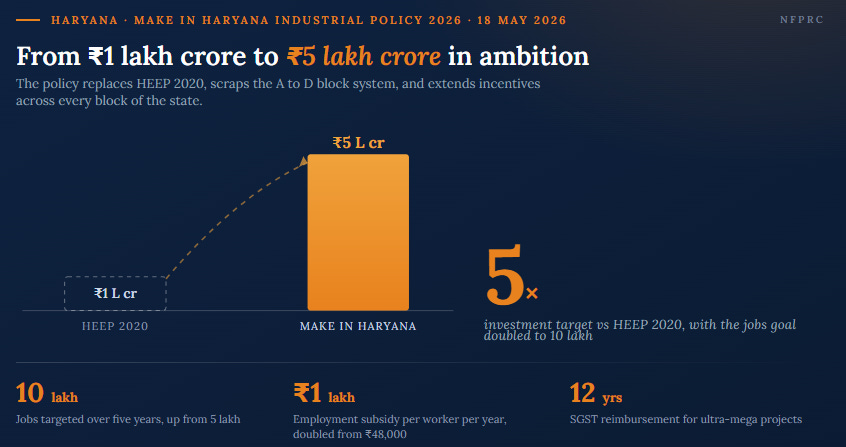
Image 1: Representation Of Targets Of The Make In Haryana Policy, 2026
III. Odisha: Semiconductor Substrate Manufacturing Facility
Source: The Hindu, May, 2026.
The Development: The Odisha Government has signed a Memorandum of Understanding (MoU) for a $3.3 billion (₹ 31,350 crore) semiconductor substrate manufacturing facility in the Bhubaneswar-Khurda region. The project will focus on advanced glass-core and high-density interconnect (HDI) semiconductor substrates and is expected to create over 1,800 high-skilled jobs.
Key Takeaway: India’s electronics imports surged to a record $ 116.17 billion (₹ 11.04 lakh crore) in FY2025–26, accounting for nearly 15% of merchandise imports, while 90–95% of domestic semiconductor demand continues to be met through imports. By localising semiconductor substrate production, the project supports the India Semiconductor Mission (ISM) and the ₹ 40,000 crore Electronics Components Manufacturing Scheme,reducing import dependence and potentially strengthening domestic manufacturing, supply-chain, and technology capabilities.
IV. Rajasthan: Industrial Development Policy, 2026
Source: The Hindu, May, 2026.
The Development: The Rajasthan Government has approved the Industrial Development Policy, 2026, to support industrial expansion, infrastructure development, and greater private-sector participation, with a focus on micro, small, and medium enterprises (MSMEs), export-oriented industries, and workforce development.
Key Takeaway: MSMEs constitute over 90% of Rajasthan’s industrial units but face persistent constraints in finance, technology, and market access. The policy addresses these gaps through targeted margin money support and technology acquisition subsidies under the District One Product (ODOP) framework, helping micro-enterprises modernise and scale. It also supports Rajasthan’s broader industrial diversification strategy by promoting growth in emerging sectors such as semiconductors, data centres, Global Capability Centres (GCCs), defence manufacturing, and logistics.
V. Haryana: Aggregator Safety And Clean Mobility Regulatory Framework, 2026
Source: CMO Haryana, May, 2026.
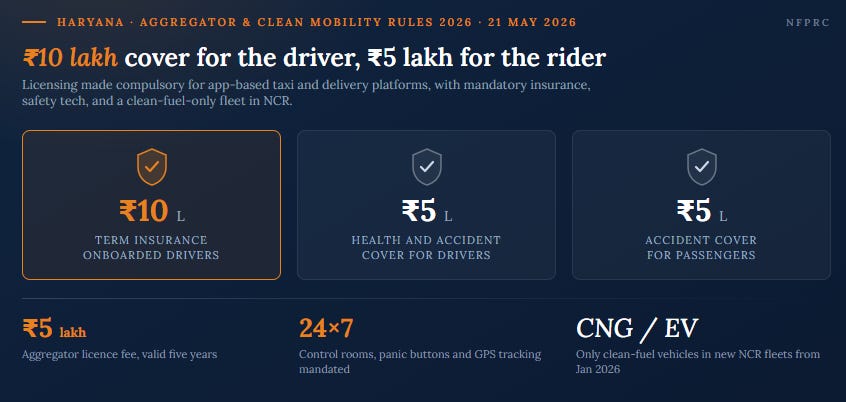
The Development: The Haryana Government has introduced revised aggregator licensing regulations mandating enhanced insurance protection for passengers and drivers, along with cleaner-fuel requirements for aggregator and delivery vehicles operating in NCR districts.
Key Takeaway: As India’s gig economy expands beyond traditional social-security coverage, Haryana’s mandate of ₹ 5 lakh health/accident insurance for app-based drivers and ₹ 10 lakh term insurance creates a formal welfare framework for platform workers. The regulations strengthen passenger protection by requiring ₹ 5 lakh accident insurance coverage, improving financial security and accountability in the app-based mobility sector.
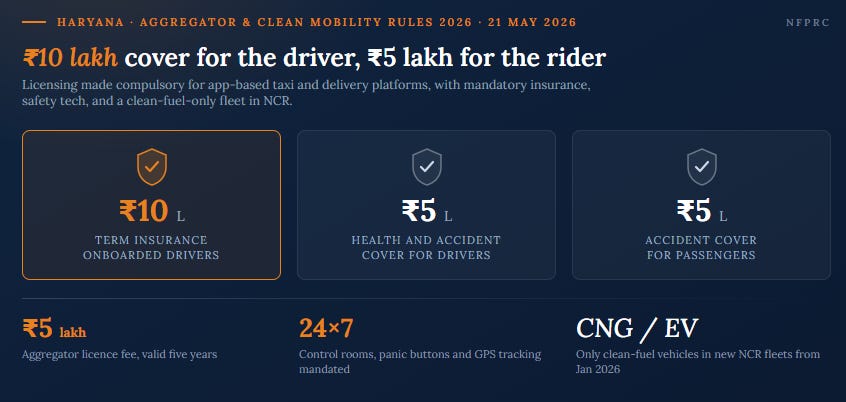
Image 2: Representation Of The Penalty Structure Under The New Framework
VI. Tripura: Completion Of Phase-II Of Deregulation
Source: The Times Of India, May 2026
The Development: The Government of Tripura has completed all 51 Priority Areas under the Cabinet Secretariat’s National Compliance Reduction and Deregulation Initiative (NCRDI), including self-certification-based approvals, simplified regulations, strengthened single-window clearances, and digitised governance systems.
Key Takeaway: Tripura has streamlined its land-use framework by reducing over 100 land-use categories to 10, enabling mixed land use and routing approvals through the Single Window Approval Agency (SWAAT). The deregulation has removed overlapping No Objection Certificates (NOC) requirements, introduced self-declaration-based approvals for low-risk projects, and exempted eligible businesses from inspections for up to three years. It has also simplified environmental and electricity clearances by eliminating mandatory field inspections within prescribed limits.
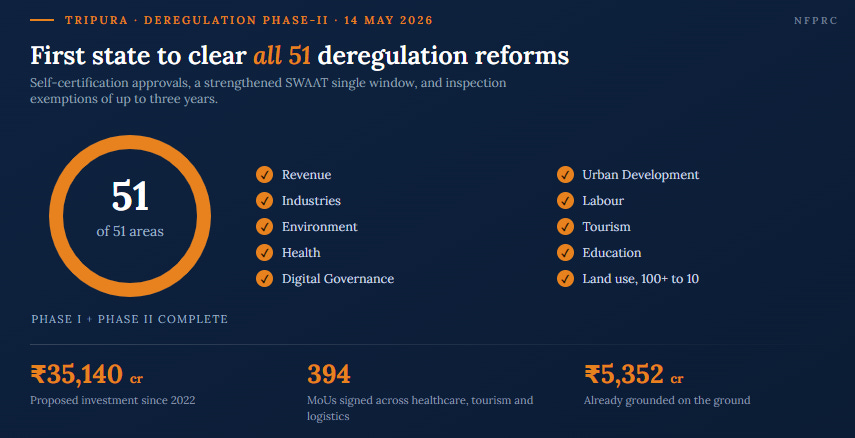
Image 3: A Snapshot Of Phase-II Of Tripura’s Deregulation Excercise
VII. Ladakh: Extension Of Industry Benefits To Hotels And Guest Houses
Source: The Business Standard, May, 2026.
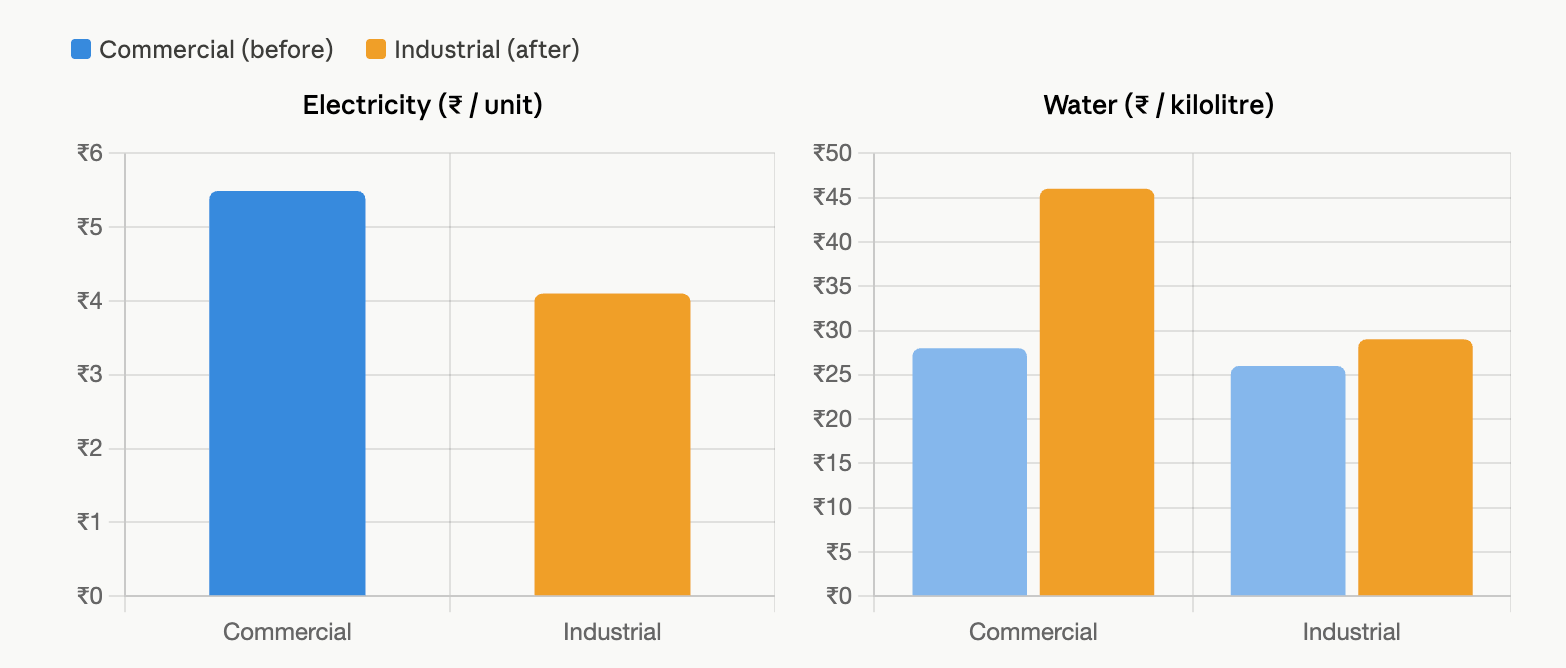
The Development: Hotels and guest houses registered with the Tourism Department in Ladakh will be granted “industry” status with effect from 1st June, 2026. Eligible hospitality establishments will receive electricity and water supply at industrial tariff rates, with the commercial electricity tariffs for registered hospitality units will be reduced from ₹ 5.49 per unit to ₹ 4.10 per unit.
Key Takeaway: Hotels, guest houses, and homestays in Ladakh were paying commercial electricity tariffs of ₹ 5.49/unit and water tariffs of ₹ 28-46 per kilolitre despite operating for only around six months annually due to harsh winters. The application of high commercial water tariffs of ₹ 28-46 per kilolitre and industrial water tariffs of ₹ 26-29 per kilolitre reduces recurring expenditure for the establishments. Essentially, granting ‘industry’ status enables hotels and guest houses to access concessional bank loans, capital incentives, and Government support schemes.
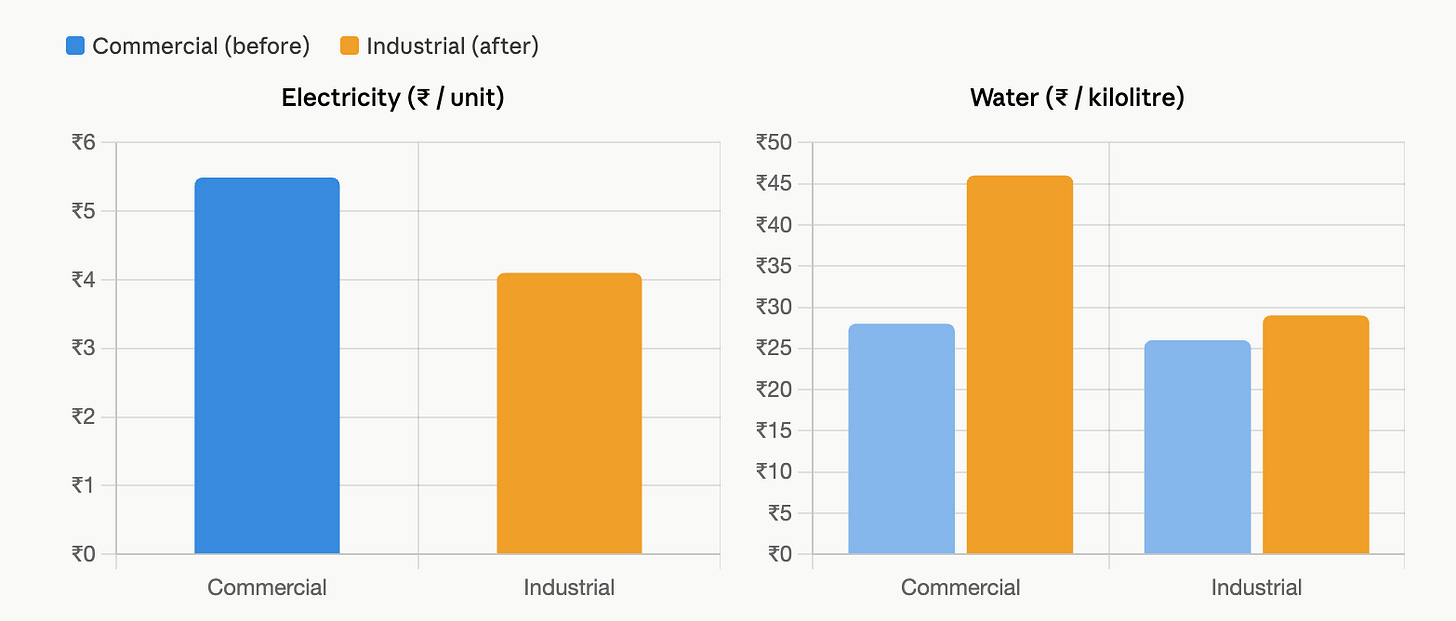
Image 4: A Demonstration Of Ladakh’s Tariff Rate Changes Post “Industry” Status
VIII. Assam: Uniform Civil Code Bill, 2026
Source: The Uniform Civil Code, Assam, 2016.
The Development: The Assam Government has passed the Uniform Civil Code Bill, 2026, establishing a common legal framework for marriage, divorce, succession, and live-in relationships while excluding Scheduled Tribes. The Bill mandates monogamy, introduces compulsory registration requirements, and provides uniform inheritance and divorce provisions.
Key Takeaway: The Bill replaces community-specific personal laws with a uniform civil framework, establishes common rules for family matters and prohibits polygamy with penalties of up to seven years’ imprisonment. It mandates registration of marriages, divorces and live-in relationships with fines of up to ₹ 10,000 for non-compliance, and grants maintenance rights to deserted live-in partners.
Also, please consider subscribing to NFPRC Foundation’s focused centres covering latest economic, policy and administrative developments -
Centre for Law, Policy and Governance - Link
Centre for Accelerating India’s Growth - Link
Centre for Studies in Indian Social Systems - Link
NFPRC Foundation - Link